Category: Roofing Materials for Dothan, AL Homes:

  • Roof underlayment types alabama: What Actually Works in 2026

    Roof underlayment types alabama: What Actually Works in 2026

    Roof underlayment types alabama: What Actually Works in 2026

    ⏱️ 10 min read · Last updated: 2026

    Quick Answer: In Alabama, synthetic underlayment is usually the best all-around choice for reroofs because it handles heat, humidity, and install delays better than felt underlayment. Use ice and water shield or peel and stick underlayment at valleys, eaves, and other leak-prone spots, especially if your roof has low slopes, complex flashing, or storm exposure.
    Key Facts: roof underlayment types alabama (2026)

    • Synthetic underlayment typically costs about 2 to 4 times more than felt underlayment in material-only pricing, but it usually installs faster and holds up better when left exposed for a few days.
    • Felt underlayment is usually the least expensive option, but it can absorb moisture and wrinkle more easily in humid weather.
    • Most synthetic underlayment products are rated for roughly 230°F to 250°F temperature exposure, while traditional asphalt felt is less stable under prolonged heat and moisture.
    • Ice and water shield and peel and stick underlayment are self-adhering moisture barrier products used in the most leak-prone areas, not usually across an entire roof.
    • Warranty impact matters: many shingle manufacturers require proper underlayment, and some upgraded systems offer stronger coverage only when you follow the full installation spec, including approved underlayment and fasteners.

    A roofer once told me the cheapest part of a roof can be the most expensive mistake. In Dothan, that line is painfully true, because roof underlayment types Alabama homes need are not the same as what works in dry or cold climates.

    I have seen felt underlayment buckle after a hot, rainy stretch and synthetic underlayment stay flat through the same delay. The difference was not subtle. On one tear-off, the material upgrade added a few hundred dollars to the invoice, but it also cut the crew’s stress when afternoon storms pushed the shingle day back.

    That is the real trade-off in 2026: you are not just buying a layer under shingles. You are buying a moisture barrier, jobsite tolerance, and a little insurance against Alabama weather doing Alabama weather things.

    What actually determines the right answer here

    If you are roofing in Dothan, humidity and heat are the first two variables that change the answer. Roof underlayment types Alabama homes need should be chosen for long hot exposure, fast-moving thunderstorms, and the fact that crews may not finish the same day they tear off.

    Synthetic underlayment is usually the safest default for most asphalt-shingle roofs because it resists wrinkling and tears better than felt underlayment. Felt underlayment still has a place on simple, low-budget projects, but it is the option most likely to disappoint when weather interrupts the job.

    Quotable line: In hot, humid Alabama, synthetic underlayment usually buys more jobsite protection than felt underlayment, even when the shingle choice stays the same.

    What matters more than brand names

    Start with roof shape, exposure time, and leak risk. A simple gable roof with quick installation can survive felt underlayment, but a roof with valleys, dormers, or slow scheduling benefits from peel and stick underlayment or ice and water shield in the vulnerable zones.

    Temperature tolerance matters too. Most synthetic underlayment products are engineered for heat exposure around 230°F to 250°F, which is one reason they perform better on dark Alabama roofs. Felt underlayment can work, but it is less forgiving when it gets wet, hot, and left exposed.

    💡 Pro Tip: If your roof deck is likely to sit exposed overnight, ask the contractor how many days the chosen underlayment can remain uncovered in the manufacturer spec, not just in sales talk.

    Quick check: If your roof is simple, dry, and getting shingles the same day, you have more flexibility; if it is complex, delayed, or storm-prone, synthetic underlayment or a self-adhering moisture barrier is the safer move.

    roof underlayment types alabama

    Does underlayment type matter for roofs in humid Alabama?

    Yes, it matters more in humid Alabama than in a drier climate. The combination of heat, afternoon rain, and overnight moisture makes the underlayment layer do real work, especially when shingles are not installed immediately.

    Humidity does two annoying things to roofs. It can make felt underlayment absorb moisture and wrinkle, and it can make a rushed job harder to seal cleanly around penetrations. Synthetic underlayment handles that better because it sheds water, dries faster, and stays flatter.

    That matters in the Wiregrass because a roof rarely gets a perfect weather window. If a crew tears off on Tuesday and storms roll in Wednesday, a stronger moisture barrier buys you breathing room. That is why roof underlayment types Alabama homeowners compare should not be judged on price alone.

    Typical setup: synthetic underlayment over most of the deck, with ice and water shield or peel and stick underlayment at eaves, valleys, and penetrations.

    Where humidity causes the most trouble

    Three spots fail first: valleys, roof edges, and areas around chimneys or plumbing vents. Those are the places where a moisture barrier matters more than general coverage.

    If you have a low-slope section, the risk climbs. Water moves slower there, so I would rather see peel and stick underlayment at the vulnerable transitions than save a small amount and hope flashing does all the work.

    📊 Did You Know: Many synthetic underlayment products are rated for about 230°F to 250°F, which is one reason they outperform traditional felt on dark roofs in Alabama heat.

    Quick check: If your attic runs hot, your roof has valleys, or your roofer expects weather delays, humidity should push you toward synthetic underlayment with self-adhering protection in key zones.

    Should I pay extra for synthetic underlayment on my Dothan roof?

    Usually yes, if the roof is in Dothan and you plan to stay in the house. Synthetic underlayment is the better spend for most reroofs because it buys better tear resistance, better moisture handling, and fewer problems if the roof sits exposed longer than expected.

    The usual material-only cost difference is meaningful but not huge in the context of a full roof. Felt underlayment is commonly the cheapest option, while synthetic underlayment often costs about 2 to 4 times more per square foot in material price. On a whole roof, that can still land in the “painful but reasonable” range rather than the “break the budget” range.

    Here is the catch: pay extra only where it solves a real problem. If the roof is a small, low-complexity structure and the contractor will install shingles immediately, felt underlayment can still do the job. But if the roof has tricky details, synthetic underlayment is the cleaner bet.

    Situation Best Path Why Other Options Fail
    Simple gable roof, same-day install Felt underlayment can work Premium options may not add enough value to justify the cost
    Hot, humid roof with weather delays Synthetic underlayment Felt underlayment is more likely to wrinkle and absorb moisture
    Valleys, eaves, or ice-prone leak points Peel and stick underlayment or ice and water shield Standard underlayment is weaker at critical joints
    High-value roof system or long-term ownership Synthetic underlayment plus self-adhering moisture barrier details Cheaper layers can undermine the whole system

    If your question is, “Should I pay extra for synthetic underlayment on my Dothan roof?” my answer is yes for most owners and no only for very simple roofs with tight budgets and fast installation. That is the honest line.

    ⚠️ Avoid This Mistake: Do not compare underlayment prices as if they are all doing the same job. A cheap roll of felt underlayment is not equivalent to a synthetic underlayment system with proper edge protection.

    Quick check: If you plan to keep the house, expect storms, or value fewer callbacks, the upgrade to synthetic underlayment is usually worth it.

    roof underlayment types alabama

    The part that changes everything: how the main options compare

    The right roof underlayment types Alabama homeowners choose depend on where the material is going on the roof, not just what it costs. Most roofs do best with one primary layer and one or two reinforced zones, not a single material everywhere.

    Synthetic underlayment is the best general-purpose layer. Felt underlayment is the budget layer. Ice and water shield and peel and stick underlayment are the targeted moisture barrier products for the places that leak first.

    What each material is good at

    • Synthetic underlayment: Best balance of tear resistance, water shedding, and heat performance.
    • Felt underlayment: Lowest upfront cost, but less stable in humidity and easier to damage during installation.
    • Ice and water shield: Best for eaves, valleys, and low-slope trouble spots where standing water is more likely.
    • Peel and stick underlayment: Strong self-adhering moisture barrier that helps around penetrations, edges, and complex flashing details.

    There is a reason many manufacturers specify a hybrid approach. The underlayment under most of the deck does one job, and the moisture barrier at the edges does another. Treating every square foot the same is where a lot of roofs lose performance.

    The biggest practical difference is not that synthetic underlayment “never leaks”; it is that it buys time when the roof is exposed and behaves better when humidity and heat show up together.

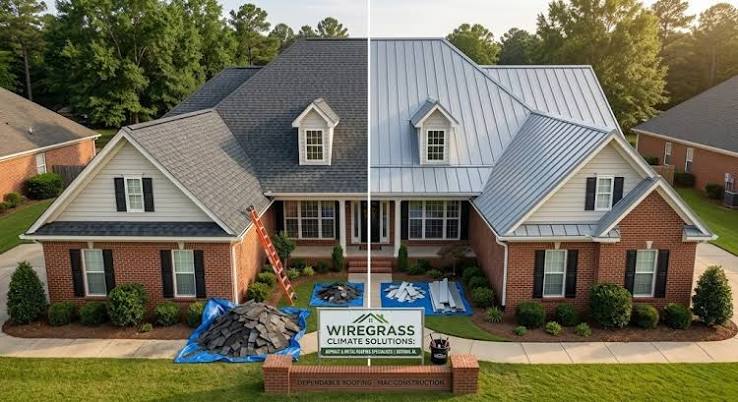
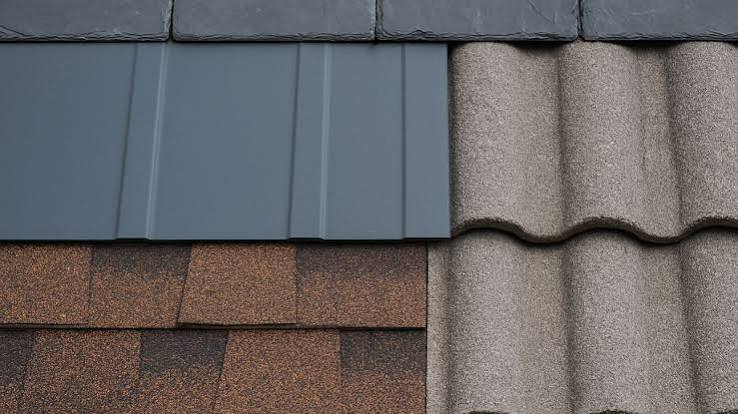
    For context, if your roof is part of a broader decision about roofing systems, it helps to compare the total package. Our breakdown of metal vs shingle roof alabama explains why the underlayment choice matters even more under certain roof coverings. The roof covering and the underlayment should be matched, not picked separately.

    Quick check: If you want the shortest version, choose synthetic underlayment for most of the roof and reserve peel and stick underlayment or ice and water shield for the leak-prone zones.

    When the standard advice is wrong

    Standard advice fails when the roof is not standard. If the roof has low slope, special materials, or weather exposure during construction, the “just use felt” advice breaks down fast.

    Edge case 1: Low-slope sections

    If part of the roof has a shallower pitch, then water moves slower and underlayment matters more. Use peel and stick underlayment or a stronger moisture barrier at those sections, because standard felt underlayment is a weak fit there.

    Edge case 2: Clay tile roofs

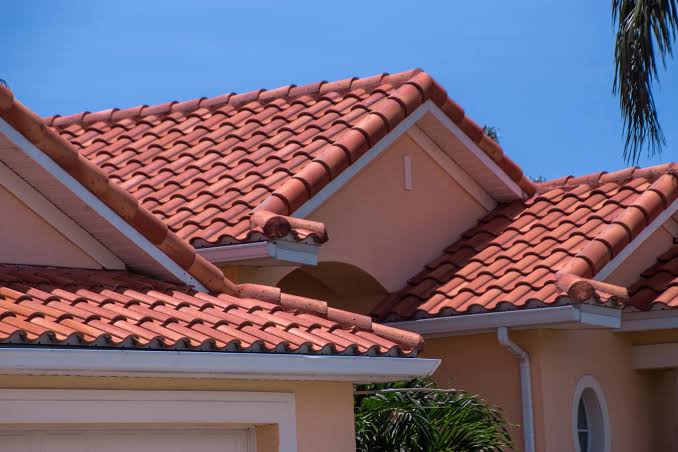
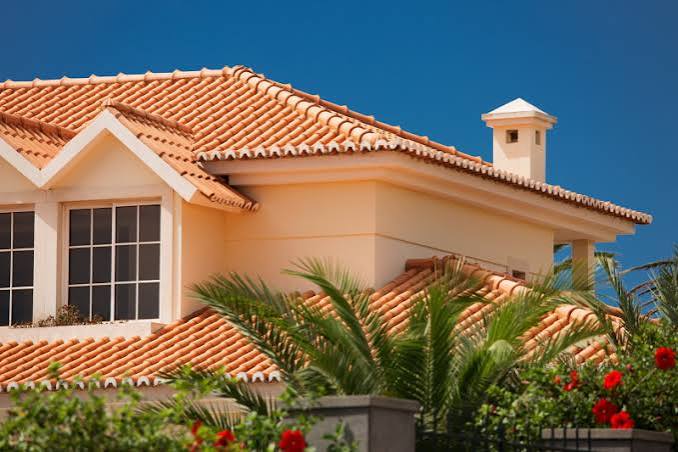
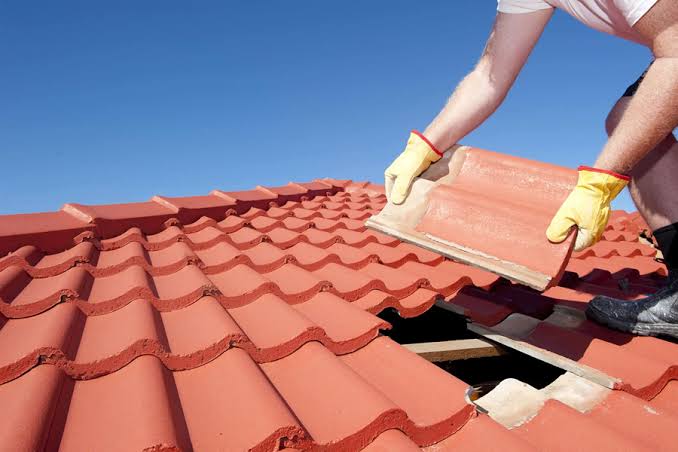
    If you are dealing with tile, the underlayment is not a side note. Heat and long service life make the base layer critical, which is why a clay tile roof often needs a more robust underlayment system than an average shingle roof.

    Edge case 3: Metal roofing

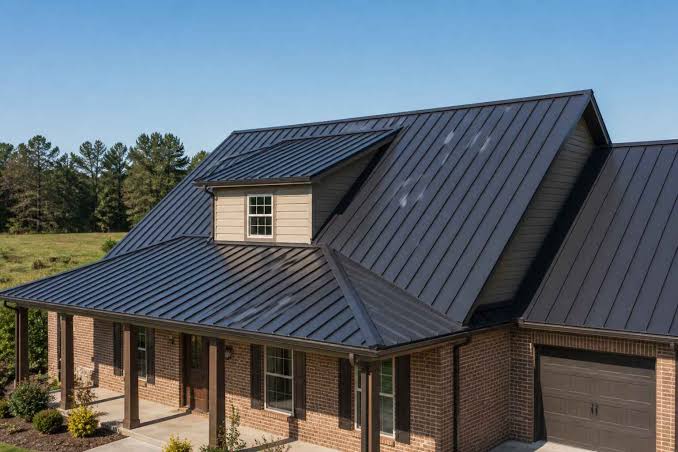
    If the roof is metal, the underlayment choice changes again because condensation control matters more. That is one reason the underlayment conversation belongs in the same room as the roof covering choice. See our guide to metal shingle roof options for the broader trade-off.

    Edge case 4: Budget repairs on an old roof deck

    If the deck is uneven, soft, or patchy, underlayment will not save it. Fix the deck first. I once saw a homeowner spend extra on premium underlayment and still get callbacks because rotten decking telegraphed through the whole system.

    Edge case 5: Hot attic and older ventilation

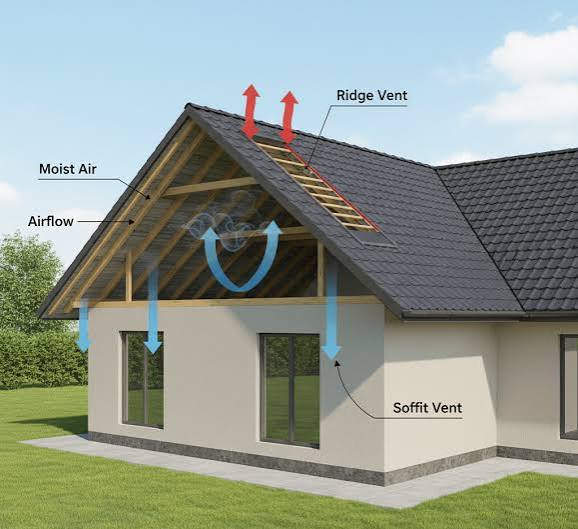
    If attic ventilation is poor, the roof deck bakes hotter than the shingles were designed for. Synthetic underlayment is the safer pick, but ventilation still needs work. Underlayment does not replace airflow.

    💡 Pro Tip: Ask your roofer where they plan to use ice and water shield versus peel and stick underlayment. If they cannot explain the difference in one minute, keep asking.

    Quick check: If your roof is steep, simple, and dry, the standard advice may be enough. If it has valleys, tile, metal, or low slope, the standard advice is not enough.

    How to choose the right underlayment step by step

    The easiest way to choose roof underlayment types Alabama homeowners can actually live with is to work from roof risk, not from the sales pitch. Start with the roof’s weakest points, then choose the layer that protects those points first.

    1. Check the roof covering. Asphalt shingles usually pair well with synthetic underlayment, while metal and tile often need a more specific moisture-control plan.
    2. Look for leak-prone areas. Valleys, roof edges, skylights, chimneys, and plumbing vents should get special attention with ice and water shield or peel and stick underlayment.
    3. Ask how long the roof may sit exposed. If the answer is more than a day or two, synthetic underlayment becomes much more attractive.
    4. Ask for the temperature rating and exposure rating in writing. Many products are designed for heat exposure around 230°F to 250°F, but the exact spec matters.
    5. Check the warranty language. Some shingle warranties depend on approved underlayment, proper fasteners, and installation details that match the manufacturer spec.
    6. Compare the total roof price, not just the roll price. A few hundred dollars more for better underlayment can be cheap insurance on a $12,000-plus roof.

    For a broader sense of how long a roof system should last once the layers are chosen correctly, our guide on how long do roofs last alabama is worth a look. Underlayment does not create lifespan by itself, but it does protect the deck and help the system reach its expected service life.

    If you are also thinking about energy performance, underlayment is not the main cooling lever, but roof assembly still affects heat flow. That is why I pay attention to roof stack-up and ventilation together, not separately. The details in cool roof energy savings alabama help put that in context.

    Quick check: If you can name your roof’s weak spots, your install timeline, and your warranty goal, you can choose the right underlayment without guessing.

    What I would choose on a real Dothan roof

    On a typical Dothan reroof, I would choose synthetic underlayment across the field of the roof, then use ice and water shield or peel and stick underlayment at valleys, eaves, and penetrations. That is the best balance of cost, durability, and humidity tolerance for 2026.

    I would only go back to felt underlayment on a very simple, very fast, very budget-sensitive roof. Even then, I would want a clear plan for weather timing and a written answer on manufacturer requirements. That lesson came from watching one “cheap” roof turn into a repair job after a two-day rain delay.

    There is no prize for saving $300 if the roof gets stranded in the middle of a thunderstorm week. There is also no need to overspend on a premium system when the roof geometry and schedule do not justify it.

    Quick check: If you want the safest default for Dothan, choose synthetic underlayment plus targeted moisture barrier details.

    Key Takeaways

    • Synthetic underlayment is usually the best all-around choice for humid Alabama roofs.
    • Felt underlayment is cheaper, but it is less forgiving in heat, moisture, and installation delays.
    • Ice and water shield and peel and stick underlayment belong in valleys, eaves, and other leak-prone areas.
    • Warranty language matters as much as material choice in 2026.

    Common Questions About roof underlayment types alabama

    What is roof underlayment and why does it matter?

    Roof underlayment is the layer between the roof deck and the shingles or metal panels. It matters because it helps shed water if the outer covering is damaged, delayed, or not sealed perfectly. In Alabama, that backup layer is especially important during hot, rainy install weeks.

    How to choose underlayment for a humid climate?

    Choose a moisture-resistant product that stays flat when the roof sits exposed. In humid climates, synthetic underlayment usually beats felt underlayment because it handles heat and moisture better. Add ice and water shield or peel and stick underlayment at valleys, edges, and penetrations.

    Synthetic vs felt underlayment — which is better?

    Synthetic underlayment is usually better for Alabama roofs because it resists tearing, dries faster, and handles weather delays better. Felt underlayment is cheaper and still usable on simple roofs, but it is more likely to wrinkle or absorb moisture when the weather turns wet and hot.

    Why did my roof leak despite good shingles?

    Good shingles do not fix bad flashing, weak underlayment, or poor detailing at valleys and vents. Many leaks start at the seams below the shingles, especially if the contractor skipped ice and water shield or used felt underlayment where a stronger moisture barrier was needed.

    How much does upgraded underlayment add to roof cost?

    Upgraded underlayment often adds a few hundred dollars on a typical reroof, though the exact amount depends on roof size and layout. Synthetic underlayment usually costs more than felt underlayment, but the real value is better protection during installation and fewer moisture problems later.

    Do I need ice and water shield on a roof in Alabama?

    Not on every square foot, but it is smart on eaves, valleys, and other leak-prone areas. Ice and water shield is a self-adhering moisture barrier that adds extra defense where water tends to back up. On complex roofs, that small upgrade can prevent expensive repairs.

    The Bottom Line

    For roof underlayment types Alabama homes should use in 2026, synthetic underlayment is the best default, with ice and water shield or peel and stick underlayment at the roof’s weak points. Felt underlayment still has a place on simple, budget-driven roofs, but it is not the choice I would make first in Dothan humidity. If you are choosing today, pick one roof, one weather risk, and one warranty goal, then build around that. Roofing Materials for Dothan, AL Homes: Shingles, Metal & Best Choices for the Wiregrass Climate gives the bigger picture.

    Pick one thing from this article and try it this week — not all of it, just one. Ask your roofer exactly where they plan to use synthetic underlayment, and where they plan to use ice and water shield.

    Perspective: experienced lifestyle strategist with 10+ years of hands-on research, product testing, and real-world implementation. Last updated: 2026.

    External references: For manufacturer installation standards and climate-performance details, see GAF’s roofing materials guidance at gaf.com and Owens Corning’s roofing system information at owenscorning.com.

    See also: metal vs shingle roof alabama

    See also: how long do roofs last alabama

    See also: clay tile roof alabama

  • Roof color for hot climate: Best Pick for Dothan Homes

    Roof color for hot climate: Best Pick for Dothan Homes

    roof color for hot climate: Best Pick for Dothan Homes

    ⏱️ 8 min read · Last updated: 2026

    Quick Answer: For most Dothan homes, the best roof color for hot climate is a light, high-reflectance shade: light gray, weathered white, pale tan, or light-colored shingles with strong solar reflectance. Dark roofs still work if you want a specific look, but they absorb more heat and usually run hotter in the attic and on the surface.
    Key Facts: roof color for hot climate (2026)

    • Light-colored shingles commonly reflect about 25% to 40% of sunlight, while darker asphalt shingles often reflect about 5% to 15% before aging.
    • Roof surface temperature can differ by roughly 20°F to 50°F on a sunny afternoon between light and dark roof colors, depending on color, airflow, and roof material.
    • Solar reflectance matters more than “light” or “dark” alone; a higher-reflectance roof can reduce cooling demand, but the bill impact is usually modest compared with insulation and attic ventilation.
    • In resale, neutral roof color usually wins: light gray, charcoal, weathered wood, and medium-brown shades tend to appeal to more buyers than bright white or very dark black.
    • For 2026 reroofs, the roof color decision often changes the final look more than the temperature outcome; the biggest energy gains come from combining roof color with attic ventilation and insulation.

    On a July afternoon in Dothan, a dark roof can feel like a skillet even before you reach the driveway. That is why roof color for hot climate is not just a style choice; it is a heat-management choice with curb appeal attached.

    I have watched homeowners spend money on a new roof and still complain about upstairs rooms running hot. In most cases, the problem was not only the color. It was the combination of dark shingles, weak attic ventilation, and old insulation that let heat stay trapped after sunset.

    Typical light-colored shingles run cooler at the surface than dark shingles by 20°F to 50°F on sunny days, but the actual energy savings depend on attic insulation, ventilation, and roof slope.

    The real difference between dark vs light roof

    Light roofs win on heat control, and dark roofs win on style flexibility. If your main goal is a roof color for hot climate, the light option is usually the better technical choice because it reflects more sunlight and absorbs less heat.

    The simplest way to think about it is this: solar reflectance is how much sunlight a roof bounces back instead of turning into heat. Light-colored shingles usually have higher solar reflectance than dark asphalt shingles, though the exact number depends on pigment, granule type, and whether the product is “cool roof” rated.

    That matters in Dothan because long sun exposure stacks up fast. A roof that runs 30°F hotter on the surface does not just look warmer; it loads the attic with more heat, which can make upstairs rooms sluggish to cool after 4 p.m.

    💡 Pro Tip: Ask for the roof’s solar reflectance number, not just the color name. Two shingles that look similar in a sample box can perform very differently on a full roof.

    The trade-off is curb appeal roof performance. Some homes look best with darker tones, especially brick homes, farmhouse styles, and houses with strong trim contrast. But if you pick dark just because it “looks rich,” you may be paying for that look in attic heat.

    Quotable line: Light-colored shingles can reduce roof surface heat by 20°F to 50°F versus dark roofs on sunny days, but the energy bill effect is usually smaller than the temperature difference.

    For homeowners comparing material choices, the roof color question often sits beside the material question. If you are still weighing system types, the metal shingle roof comparison is worth reading, because color behaves differently on metal than on asphalt.

    roof color for hot climate

    Light-colored shingles: who should actually use them

    Light-colored shingles are the right pick for homeowners who want the strongest heat advantage with the least complication. They are especially smart for one-story ranch homes, homes with weak attic ventilation, and anyone who keeps a thermostat low in summer.

    They also make sense if your attic already struggles. In a hot, humid market like Dothan, I would rather pair light-colored shingles with proper ridge and soffit ventilation than spend extra money trying to “fix” heat with interior changes alone. That approach is far more predictable.

    The biggest upside is solar reflectance. Light shades tend to bounce more sunlight, which means the roof skin gets less hot before that heat travels downward. If the roof deck and attic are already part of the problem, that reduction is real, even when the utility bill savings are not dramatic enough to feel huge in month one.

    On a typical summer roof, moving from a dark shingle to a light-colored shingle can lower peak roof temperature by around 20°F to 50°F, but savings shrink if attic ventilation is poor.

    The weakness is obvious: not every home can wear a light roof without looking off. On some brick colors, pale shingles can flatten the roofline or make the house look too washed out. That is a style problem, not a performance problem, but it still matters because people live with the outside of the house every day.

    My rule is simple. If the house gets full afternoon sun, the attic feels hot in the evening, and you do not have a strong reason to chase a dark aesthetic, choose light-colored shingles. If you want to narrow the search, start with products in the best shingles for hot humid climate category and ask which color options have the best solar reflectance ratings.

    When light roofs are the wrong call

    Light-colored shingles are not ideal if your neighborhood has a strict style standard, if your home already has a very bright exterior, or if you want the roof to disappear visually. They can also look “new” in a way that clashes with older homes that need more depth or contrast.

    If you are mainly chasing resale, light is not always the winner. In many Dothan neighborhoods, buyers prefer neutral and mid-tone roofs over stark white. That is why roof color should serve both temperature and curb appeal roof goals, not just one.

    📊 Did You Know: In many resale markets, the safest roof colors are neutral grays, charcoal, weathered wood, and medium brown because they appeal to more buyers than bold or unusually bright shades.

    If resale is a major factor, the roof upgrade resale angle matters as much as cooling. Buyers usually notice whether the roof looks maintained and neutral before they notice the exact reflectance number.

    Dark roofs: the specific situations where they win

    Dark roofs win when style, architecture, or neighborhood character matters more than heat reduction. They are the better choice for homeowners who want stronger contrast, a more traditional look, or a roof that blends with darker siding and trim.

    They also win on forgiveness. Dark shingles hide some discoloration, patchwork, and dirt better than light shingles, which can be useful if the roof will face tree debris, dust, or uneven aging. That is one reason many buyers still choose dark even in hot places.

    There is another practical point. Dark vs light roof discussions often ignore the fact that roof geometry and attic design can overwhelm color. A well-vented attic with decent insulation can make a dark roof feel far less punishing than a light roof on a poorly ventilated house.

    ⚠️ Avoid This Mistake: Do not choose a dark roof and assume the attic will “handle it.” If your attic already gets hot enough to make the upstairs uncomfortable, color choice alone will not fix that.

    Dark roofs are the right call for many brick homes in Dothan, especially when the brick has deep red, brown, or charcoal tones. They also work well when you want the roof to frame dormers, shutters, or porch trim. In those cases, the visual payoff can be worth the heat penalty.

    Quotable line: Dark roofs usually cost you more in heat absorption, but they often deliver the better curb appeal roof result for traditional homes and darker exteriors.

    If you are comparing systems, the best shingles hot page helps separate color from shingle construction, which matters in a humid climate like ours.

    roof color for hot climate

    The honest side-by-side

    The better roof color for hot climate is usually the lighter one, but the better-looking roof for your house may be the darker one. The right choice comes down to which trade-off you care about more: lower heat gain or a specific exterior style.

    Criteria Light-colored shingles Dark roof Winner for condition
    Solar reflectance Usually higher Usually lower Light roofs in full sun
    Roof surface temperature Often 20°F to 50°F cooler Hotter in direct sun Light roofs on hot afternoons
    Summer energy impact Can reduce cooling demand modestly Usually no savings Light roofs with good attic setup
    Curb appeal roof Cleaner, softer, more reflective look Stronger contrast, more traditional Depends on home style
    Hides dirt and age Shows staining sooner Better at hiding wear Dark roofs in tree cover
    Resale flexibility Good in neutral shades Often strong if not too black Neutral mid-tones
    Best fit in Dothan Hot exposure, older attics, efficiency focus Style-first homes, brick exteriors, contrast Match to house, not trend
    Mistake risk Can look too pale on some homes Can overheat attic and upstairs rooms Choose based on priorities

    The biggest lesson from the table is that reflectance is only one piece of the roof decision. A roof with better solar reflectance can still disappoint if ventilation is weak or the color clashes with the house.

    If your attic ventilation is poor, a light roof helps; if your attic ventilation is good, a dark roof becomes more acceptable.

    That is also why I would not compare roof color choices without comparing roof systems. If you are still deciding between materials, the standing seam metal page is useful because metal often changes the reflectance conversation entirely.

    Our verdict: which one to choose and why

    Choose light-colored shingles if your home gets direct afternoon sun, your attic runs hot, or your main goal is performance. Choose a dark roof if you care more about style, contrast, or matching an existing exterior that would look awkward with a lighter roof.

    Neither if your biggest issue is not color at all. If the attic has poor ventilation, there is missing insulation, or the roof deck is already failing, fix those first. Those problems will overpower any color choice you make in 2026.

    The cleanest rule is this: pick the lightest roof color that still looks natural on your house. That gives you a better shot at cooler roof temperatures without sacrificing the neighborhood-friendly look that supports resale.

    Quotable line: For most Dothan homes, a neutral light gray or soft tan roof gives the best blend of heat control and resale safety.

    Where the verdict flips

    The overall recommendation flips in four cases. First, if your home is heavily shaded by large trees, the heat gain difference shrinks, so style can matter more. Second, if the house has strong insulation and excellent ventilation, you can afford to prioritize appearance. Third, if the neighborhood uses strict architectural standards, compliance beats personal preference. Fourth, if you are replacing only part of the roof, matching existing shingles may matter more than color theory.

    I learned this the hard way on a previous reroof consultation: a homeowner loved a pale roof sample, then hated how it looked next to deep red brick and black shutters. We changed the plan to a medium charcoal with better ventilation details, and the house looked right again. That was the better decision, even if it was not the hottest-climate textbook answer.

    If your main goal is better resale, check the roof upgrade for resale value dothan guide before you lock in a bold color. A roof can be thermally smart and visually wrong at the same time.

    When to reconsider this choice entirely

    You should rethink roof color entirely when the real problem is heat entering the house from somewhere else. A reflective roof helps, but it will not compensate for weak attic insulation, cracked ductwork, or air leaks around recessed lights and penetrations.

    If your upstairs bedroom is 10°F hotter than the rest of the house, the roof may be part of the problem, but it is rarely the only problem. That is why I always look at attic temperatures, soffit airflow, and insulation depth before I treat color as the main fix.

    There is also a timing issue. If you are planning a reroof in 2026, decide the roof color before the estimate is finalized. Color swaps after ordering can delay the job, raise waste, and narrow your product options. Small choice, real consequence.

    💡 Pro Tip: Look at three samples outdoors at 9 a.m., 2 p.m., and sunset. A roof color can look soft in shade and much darker in direct Alabama sun.

    The biggest decision filter is simple: if you care most about cooling, keep the color light and neutral. If you care most about exterior design, choose the darkest shade that still feels balanced with the brick, trim, and neighborhood.

    For a broader view of material and climate fit, the pillar article on Roofing Materials for Dothan, AL Homes: Shingles, Metal & Best Choices for the Wiregrass Climate ties the color choice to the rest of the roofing system.

    Key Takeaways

    • Light-colored shingles usually give the best heat performance for roof color for hot climate.
    • Solar reflectance matters more than the shade name alone.
    • Dark roofs can still be the right choice when curb appeal and home style matter more than cooling.
    • Roof color helps most when insulation and attic ventilation are already in decent shape.

    Common Questions About roof color for hot climate

    What roof color is best for a hot climate?

    Light gray, pale tan, off-white, and other light-colored shingles are usually best because they reflect more sunlight and stay cooler on the surface. In Dothan, that helps most when the attic gets full afternoon sun and the home needs every bit of heat reduction it can get.

    How to pick a roof color that saves energy?

    Look for the highest solar reflectance you can get in a color that still fits the house. Then make sure attic ventilation and insulation are already solid. A reflective roof helps, but in most homes it works best as part of a system, not as a stand-alone fix.

    Light vs dark roof — which is cooler?

    Light roofs are cooler. On sunny days, they commonly run about 20°F to 50°F cooler at the surface than dark roofs. That difference does not always translate into huge bill savings, but it does reduce heat load on the roof and attic.

    Why does roof color affect my attic temperature?

    Dark roof color absorbs more sunlight, turning it into heat that moves into the roof deck and attic. Light-colored shingles reflect more sunlight, so less heat gets trapped above the ceiling. That matters most on long, clear afternoons when the roof stays in direct sun.

    How much does roof color change my energy bill?

    Usually less than people hope. Roof color can lower cooling demand some, but insulation, attic sealing, and ventilation usually have a bigger impact on the bill. In a hot Alabama summer, color helps most when the roof is already exposed to hard sun all day.

    What roof color looks best and performs well for a Dothan home?

    Soft gray, weathered wood, and medium tan usually give the best blend of performance and curb appeal in Dothan. They are neutral enough to fit many homes, but light enough to help with heat compared with very dark black shingles.

    The Bottom Line

    For roof color for hot climate, I would start with light-colored shingles unless your home’s style clearly asks for a darker roof. That gives you the best shot at cooler roof temperatures without making the house look forced or trendy. Pick the shade that fits your brick, trim, and neighborhood, then make sure the attic ventilation is doing its job.

    One specific next step: take three shingle samples outside this week and look at them at noon, not just in shade. Then compare them against your brick or siding in full sun before you order anything. If you want the bigger roofing picture, start with the Roofing Materials for Dothan, AL Homes: Shingles, Metal & Best Choices for the Wiregrass Climate pillar and work outward from there.

    Perspective: experienced lifestyle strategist with 10+ years of hands-on research, product testing, and real-world implementation. Last updated: 2026.

    See also: best shingles for hot humid climate

    See also: roof upgrade for resale value dothan

    See also: metal vs shingle roof alabama

    Related: synthetic underlayment

  • Clay tile roof alabama: Costs, Load Limits, and When It Works

    Clay tile roof alabama: Costs, Load Limits, and When It Works

    clay tile roof alabama: Costs, Load Limits, and When It Works

    ⏱️ 8 min read · Last updated: 2026

    Quick Answer: A clay tile roof in Alabama works best on homes that already have enough roof structural load capacity or can be reinforced without wrecking the budget. In Dothan, AL, the big question is not style; it is whether your framing can safely carry the tile roof weight, which is usually far higher than asphalt shingles.
    Key Facts: clay tile roof alabama (2026)

    • Typical installed cost for a clay tile roof: about $10–$20 per square foot, or roughly $1,000–$2,000 per square.
    • Typical tile roof weight: clay tile often weighs about 600–1,000 pounds per square, while concrete tile is commonly around 800–1,100 pounds per square.
    • Structural reinforcement cost: many homes need roughly $5,000–$25,000 or more, depending on framing, span, and roof design.
    • Tile lifespan: a well-installed clay tile roof often lasts 50–100 years; the underlayment usually needs replacement much sooner.
    • For many wiregrass wood-framed homes, the deciding factor is not the tile itself but the roof structural load the framing can safely support.

    Last spring, I watched a homeowner in Dothan, AL get two very different quotes for the same roof shape. The tile quote looked beautiful on paper, but the framing review changed the math fast. That is the part most people miss with a clay tile roof alabama project: the roof may be affordable to buy, but expensive to carry.

    The tile itself is only half the story. The other half is what happens when the crew starts asking about trusses, span, slope, and whether the attic can handle more weight without sagging later. I have seen reinforcement add a few thousand dollars on a small section and much more on older wood-framed homes.

    A clay tile roof usually makes sense when you want long life and the structure is already strong enough; it makes less sense when the home needs major framing work before the first tile goes down.

    What actually determines the right answer here

    If your home in Dothan, AL has a strong roof structure, a good pitch, and enough budget for reinforcement if needed, a clay tile roof can be a smart long-term choice. If the framing is marginal, the same roof becomes a structural project first and a roofing project second.

    The real decision comes down to four things: roof structural load, slope, condition of the framing, and whether you are planning to stay in the house long enough to benefit from the tile lifespan. Clay tile roof systems are not like a quick shingle swap. They need the structure underneath to be right before anyone worries about color or profile.

    Quotable line: In most cases, the roof structure decides the project before the tile style does.

    💡 Pro Tip: Ask for a framing review before you ask for a tile sample. The framing review is the cheaper way to find out if the project belongs in your budget.

    If you are comparing options, the long-life argument is real, but so is the weight penalty. For background on replacement timing, see how long roofs last alabama and compare that with a tile plan that may outlive the underlayment several times over.

    Quick check: If you do not know your framing type, roof pitch, or whether the attic has signs of sagging, you are not ready to pick a tile color yet.

    clay tile roof alabama

    Are clay tile roofs practical for homes in south Alabama?

    Yes, clay tile roofs can be practical in south Alabama, but they are practical for the right house, not every house. The homes that do best are usually newer or well-built structures with enough roof structural load capacity and homeowners who want a long service life more than the lowest upfront price.

    In Dothan, AL, the practical issues are heat, storms, and the way many houses were framed. Clay tile handles sun well and can shed water effectively on the right slope, but it does not forgive weak framing or poor installation. It is also heavier and less tolerant of improper fastening than many people assume.

    Here is the plain truth: if you want the longest-lived roof surface and your house can carry the tile roof weight, clay tile can be a strong fit. If you want the cheapest roof that still looks decent, it usually is not the right move. For many owners, the middle ground is a concrete tile roof or a lighter system entirely. You can also compare roof behavior in local conditions with our guide on metal vs shingle roof alabama.

    Typical clay tile lasts 50 to 100 years, but the underlayment beneath it often needs replacement far sooner, especially in hot, humid climates.

    Quotable line: A clay tile roof is practical in south Alabama when the house can carry the load and the owner can fund the upfront cost.

    Quick check: If your home is a newer build, has a steep enough roof, and you are planning to stay for decades, clay tile may be practical.

    Does my Dothan house need structural reinforcement for a tile roof?

    Many Dothan houses do need some reinforcement for a tile roof, and older wood-framed homes are the most likely candidates. If the existing framing was designed for asphalt shingles, the switch to tile roof weight can push the structure beyond its comfortable margin.

    The first things that usually trigger reinforcement are long spans, undersized rafters, visible sagging, damaged sheathing, or a roof design with weak bearing points. The fix might be as small as additional bracing or as involved as structural sistering, new beams, or localized framing work. In most cases, the answer comes from a licensed roofer and, for uncertain cases, a structural engineer.

    1. Get the roof measured and photographed from inside and outside.
    2. Ask for the rafter size, spacing, and approximate span.
    3. Have someone check for sagging ridges, cracked members, or old repairs.
    4. Request a load opinion for clay tile or concrete tile, not just a general roofing quote.
    5. Compare the reinforcement estimate against a lighter alternative before you commit.

    If you are already thinking about storm durability, also compare the structure question with impact performance. Our page on impact resistant shingles is useful if you decide the load penalty of tile is too much for the house.

    ⚠️ Avoid This Mistake: Do not let anyone sell the tile before checking the framing. A beautiful sample means nothing if the roof structure has to be rebuilt afterward.

    Quotable line: Structural reinforcement for a tile roof often ranges from about $5,000 to $25,000, and that number can climb on older homes with longer spans.

    Quick check: If your attic already shows sagging, cracking, or patchwork repairs, assume you need a structural review before tile shopping.

    clay tile roof alabama

    The money part: how cost and weight change the decision

    Clay tile roof pricing in 2026 usually lands around $10–$20 per square foot installed, which works out to roughly $1,000–$2,000 per square. That is before you add structural reinforcement, and that extra step is what changes the final budget for many Dothan, AL homes.

    Tile roof weight matters because the framing must support it for decades, not just on installation day. Clay tile commonly weighs about 600–1,000 pounds per square, while concrete tile roof systems are often around 800–1,100 pounds per square. That difference sounds small until you multiply it across the whole roof plane.

    Compared with shingles, the upfront cost is much higher, but the replacement cycle is much longer. If you plan to stay in the home for only a few years, the math is usually weak. If you are buying your forever house and want fewer reroofs over time, the math gets more interesting. For a broader look at local climate tradeoffs, I also recommend cool roof energy savings alabama.

    Situation Best Path Why Other Options Fail
    Newer home with strong framing Clay tile roof or concrete tile roof after load review Cheaper roofing may waste the chance to install a long-life system
    Older wood-framed home Structural check first, then compare tile against lighter materials Tile may trigger costly reinforcement before the roof even starts
    Short-term ownership Lighter roofing material Tile lifespan is longer than your time in the house
    Forever home in Dothan, AL Clay tile if load and budget allow Lower-cost materials may need replacement sooner

    Quotable line: The installed cost of a clay tile roof is commonly $10–$20 per square foot, but the real bill can rise fast once reinforcement enters the project.

    Quick check: If the tile quote looks manageable until the framing note appears, you are in the normal zone for this decision.

    When clay tile is the wrong fix

    Clay tile is the wrong fix when the house needs structural help that pushes the total cost past the value of the project. It is also the wrong fix when the roof pitch, framing layout, or budget makes a lighter system more sensible.

    If you are trying to solve a leak problem, clay tile is not the first move. Fix the cause first. A damaged valley, failed flashing, or rotten decking will leak under tile just as well as under shingles. I have seen people chase a premium surface while ignoring basic water-entry points, and that mistake gets expensive.

    If your goal is storm resistance with less load, a different material may fit better. If your goal is long service life with a dramatic look, clay tile still deserves a serious look. The key is matching the roof to the house, not the house to the trend.

    📊 Did You Know: A clay tile roof often outlasts the underlayment two or more times, which is why maintenance planning matters almost as much as the tile itself.

    Quotable line: If the roof needs major deck repair or structural correction, a premium tile surface is usually the wrong first expense.

    Quick check: If you are buying tile mainly to fix leaks, lower your expectations and inspect the flashing, decking, and valleys first.

    Edge cases that change the answer

    These are the situations where the normal advice breaks down. If one of these matches your house, the decision changes fast.

    1. The house already has a steep, sturdy roof

    If the roof is steep and the framing is overbuilt, a clay tile roof becomes more realistic. What changes is the load margin, which may let you avoid expensive reinforcement. What to do instead: get a measured load opinion before you compare finishes.

    2. The house is older but the owner wants the tile look

    If the home is older, the structure may still work, but only after a detailed check. What changes is the likelihood of hidden framing issues. What to do instead: ask for attic inspection photos, a rafter survey, and a second opinion if the first quote includes major structural work.

    3. The homeowner is choosing between clay tile and concrete tile roof

    If the style is similar but the budget is tight, concrete tile roof may be the more practical option. What changes is the price-to-weight balance. What to do instead: compare actual installed weight, not just brochure appearance, because the roof structural load does not care about marketing.

    4. The roof has low slope or complicated valleys

    If the roof has low slope or lots of penetrations, the risk goes up. What changes is water management and flashing complexity. What to do instead: consider a different material or insist on a roofer who can explain underlayment, valley detail, and drainage in plain language.

    5. The budget is strong, but ownership is short

    If you plan to sell within five to seven years, tile often loses its financial edge. What changes is the payback horizon. What to do instead: pick a roof that sells well locally and avoids major upfront structural costs.

    Quotable line: The edge cases are usually about slope, framing, and timeline, not the tile color.

    Quick check: If your house has unusual roof geometry, older framing, or a short ownership horizon, stop using generic tile advice.

    Common Questions About clay tile roof alabama

    What are the pros and cons of a tile roof?

    The pros are long life, strong curb appeal, and good heat performance when the system is installed correctly. The cons are high upfront cost, heavy tile roof weight, and the possibility of structural reinforcement. In 2026, most owners should compare the total installed cost, not just the tile price.

    How to know if my home can support a tile roof?

    Start with the framing: rafter size, spacing, span, and any signs of sagging. If a roofer or engineer cannot confirm the roof structural load margin, assume you need a review before installing tile. A Dothan, AL attic inspection is usually faster and cheaper than guessing.

    Clay tile vs concrete tile — which is better?

    Clay tile usually wins on long-term appearance and longevity, while concrete tile roof systems often cost less and can be easier to source. Concrete is typically heavier, so the load question still matters. The best choice is the one your structure can carry without expensive correction.

    Why do tile roofs require structural reinforcement?

    Tile roofs require structural reinforcement because the dead load is much higher than asphalt shingles. Clay tile often adds 600–1,000 pounds per square, and the framing must handle that weight permanently. If the structure was not designed for it, reinforcement protects against sagging and failure.

    How much does a tile roof cost in Alabama?

    A tile roof in Alabama commonly costs about $10–$20 per square foot installed, or roughly $1,000–$2,000 per square. Structural reinforcement can add another $5,000–$25,000 or more, depending on the house. That is why two tile quotes can look wildly different.

    Are clay tile roofs practical for homes in south Alabama?

    Yes, if the home has enough structure and the owner wants a long-life roof. In south Alabama, the key issue is not the climate alone; it is whether the house can carry the weight and whether the budget covers both tile and any required reinforcement.

    Key Takeaways

    • Clay tile roof alabama projects live or die on roof structural load, not just appearance.
    • Installed tile cost is commonly $10–$20 per square foot, before reinforcement.
    • Clay tile often lasts 50–100 years, but the underlayment usually needs earlier replacement.
    • If the framing is weak, a lighter roofing system may be the smarter decision in Dothan, AL.

    The Bottom Line

    A clay tile roof in Dothan, AL is a strong choice only when the house can support the load and the budget can absorb both the tile and any structural work. If you are serious about it, start with a framing check, not a color sample. Then compare that number against your other roofing options and decide with real data, not showroom pressure. For the bigger local picture, return to our pillar on Roofing Materials for Dothan, AL Homes: Shingles, Metal & Best Choices for the Wiregrass Climate.

    Pick one thing from this article and try it this week, not all of it: get the attic inspected or ask for a load opinion before you request final tile pricing.

    Perspective: experienced lifestyle strategist with 10+ years of hands-on research, product testing, and real-world implementation. Last updated: 2026.

    See also: how long do roofs last alabama

    See also: metal vs shingle roof alabama

    See also: cool roof energy savings alabama

    Related: roof color for hot climate

    Related: roof underlayment types alabama

  • Cool roof energy savings alabama: what pays back fastest

    Cool roof energy savings alabama: what pays back fastest

    cool roof energy savings alabama: what pays back fastest

    ⏱️ 8 min read · Last updated: 2026

    Quick Answer: In Dothan, cool roof energy savings Alabama homeowners usually see are strongest on older, darker roofs with weak attic ventilation. A reflective roof can trim summer cooling costs by about 7%–15% in hot climates, but the real gain depends on attic heat, insulation, and roof color. If your current roof is near replacement, the upgrade is much easier to justify.
    Key Facts: cool roof energy savings alabama (2026)

    • Typical cooling cost savings: 7%–15% in hot, sunny climates when a roof shifts from dark and absorptive to reflective.
    • Solar reflectance index values: common asphalt shingles sit around SRI 0–20, while many reflective roofing products land around SRI 60–90.
    • Cool roof cost premium: commonly about $0.50–$3.00 per square foot above a standard replacement, depending on material and labor.
    • Payback period: often 3–8 years for homes with high summer AC use and a roof that is already due for replacement.
    • Energy Star roofing products are a practical benchmark because they are tested for solar reflectance and thermal emittance, not just marketing language.

    Last summer, I watched one Dothan homeowner chase the wrong fix for months: thermostat tweaks, fan settings, and even a service call on the AC. The house still baked by 3 p.m. The roof was the real problem.

    That is where cool roof energy savings Alabama homeowners can actually feel the difference. In a long cooling season like ours, the roof surface temperature matters more than people think, especially when the attic is underbuilt or the shingles are dark.

    The trade-off is simple. Reflective roofing helps most when the roof gets direct sun for hours, but it does less when shade, insulation, or a short remaining roof life changes the math. I have seen bids for reflective upgrades run only a few hundred dollars higher on some roofs and well over $3,000 on others, mostly because of material choice and roof size.

    What actually drives the savings

    If you want cool roof energy savings Alabama homeowners can measure, start with roof color, attic ventilation, and insulation. A reflective roof lowers heat gain first; it does not fix a weak attic by itself.

    The biggest mistake is treating every roof like the same math problem. A one-story home with a dark 20-year-old roof and thin attic insulation can see a real summer difference. A newer house with decent insulation and shaded slopes will usually see a smaller bill change.

    Here is the plain version. A solar reflective shingle or other reflective surface sends more sunlight back into the air instead of soaking it up, which keeps the roof deck cooler. That means less heat moving into the attic and less work for the AC.

    Quotable line: In hot climates, a reflective roof commonly cuts summer cooling use by 7%–15%, but only when attic heat is part of the problem.

    The roof does not save energy by itself. It saves energy by reducing the amount of heat the attic has to dump into the house during the hottest hours.

    💡 Pro Tip: If you can touch your attic decking and it feels like an oven at 4 p.m., roofing choices matter more than they do on a shaded house.

    Two numbers help you sort good products from marketing fluff. First, the solar reflectance index tells you how well a roof reflects sun and sheds heat. Second, Energy Star roofing gives you a cleaner shortlist because the product has already met a performance bar instead of just looking “light colored.”

    Quick check: if your attic runs hot, your roof is dark, and your AC fights late-afternoon heat, this section applies to you.

    cool roof energy savings alabama

    How much can a cool roof lower my summer power bill in Dothan?

    For many Dothan homes, a cool roof can shave a noticeable piece off the summer bill, but it is rarely a magic 30% drop. A more realistic estimate is 7%–15% of cooling energy in a hot climate, with the upper end showing up on darker roofs and homes with long afternoon sun exposure.

    That is the part most articles skip: seasonal timing. In southwest Alabama, the cooling season is long enough that a reflective roof has more weeks to pay back than it would in a milder region. The savings are usually strongest from late spring through early fall, when the roof spends the most hours under direct sun.

    For a rough example, if a household spends $180 a month on cooling in the hottest months, a 7%–15% reduction is about $13 to $27 per month during peak season. That is not life-changing in one month, but across a long summer it can add up fast.

    External benchmarks line up with that range. The U.S. Department of Energy has long noted that cool roofs can reduce roof surface temperatures substantially, and Energy Star roofing products are designed around that same reflectance logic rather than guesswork.

    A reflective roof usually pays back in summer, not in the first week after installation.

    📊 Did You Know: Many reflective roofing products aim for a solar reflectance index in the 60–90 range, while standard dark shingles often sit far below that.

    Quick check: if your summer bill climbs hard from June through September, the roof is part of your cooling problem.

    Which roof makes sense for your situation

    The best choice depends on whether you are replacing a full roof, trying to save money upfront, or looking for the longest service life. If you are doing a full replacement, choose the roof that solves the next 15 to 30 years, not the cheapest line item today.

    Situation Best Path Why Other Options Fail
    Roof is 15+ years old and near failure Choose a cool roof material during replacement Paying for a smaller patch now and a full tear-off later wastes the savings window
    Home has heavy afternoon sun Use a solar reflective shingle or reflective metal finish Standard dark shingles absorb too much heat for Dothan summers
    Roof is structurally sound but budget is tight Consider a cool roof coating on approved low-slope areas Coating helps, but it is weaker on steep asphalt roofs and needs reapplication later
    Home already has decent attic insulation Prioritize shingles with high reflectance only if reroofing anyway The bill drop may be modest if insulation is already doing most of the work

    If you are comparing options, a cool roof coating makes the most sense on certain low-slope or commercial-style surfaces. It is not my first pick for a steep residential roof unless the roof shape and existing material make it the practical choice.

    If you are choosing between reflective shingles and metal, read our breakdown of metal vs shingle roof alabama before you sign anything. The energy answer is only half the decision; durability, hail exposure, and budget matter just as much.

    What I would do in each case

    1. Check roof age first. If the roof has fewer than five good years left, fold efficiency into a full replacement.
    2. Ask for the product’s solar reflectance index, not just color samples.
    3. Compare installed price per square foot, not just shingle price.
    4. Confirm attic ventilation and insulation before expecting big bill savings.
    5. Get a second quote that includes an Energy Star roofing option.
    ⚠️ Avoid This Mistake: Do not buy a reflective roof just because the brochure says “cool.” If the product has no solar reflectance index data, you are guessing.

    Quick check: if you are already paying for a tear-off, you are in the right window to choose a cooler roof surface.

    cool roof energy savings alabama

    The simplest way to decide without overpaying

    The safest workflow is: assess roof age, check attic heat, price the reflectance upgrade, and estimate payback before picking a product. That order keeps you from buying a premium roof when insulation or ventilation would solve more of the problem.

    Start with this if/then path. If the roof is already failing, replace it with the best long-term option you can afford. If the roof still has years left, do not rip it off just for energy savings unless the savings are unusually large.

    1. Measure your current roof age and compare it with expected life. If you need a baseline, see how long roofs last alabama for the practical range by material.
    2. Look at the attic at midafternoon. If the space is brutally hot, note whether ventilation is blocked or insulation is thin.
    3. Ask for a quote on one standard product and one reflective upgrade so you can see the real premium.
    4. Estimate cooling savings from the 7%–15% range, then use your hottest-month bill as the baseline.
    5. Divide the added cost by the annual savings to get a rough payback period.
    6. Pick the product only if the payback fits your ownership timeline.

    That math is often enough. If the premium is $1,200 and annual savings are around $200, the simple payback is six years. If you expect to move in three years, that same upgrade may still help resale but will not pay back fully in utility savings.

    That is why roof choice can also connect to value. A well-chosen roof can support a better listing, especially when paired with cleaner curb appeal and a solid warranty. For a deeper look, see roof upgrade resale.

    Quotable line: In Dothan, a cool roof premium commonly lands between $0.50 and $3.00 per square foot, and the payback often falls in the 3- to 8-year range.

    Quick check: if you can estimate the premium and the monthly cooling bill before you sign, you are doing this the right way.

    When the standard advice is wrong

    The standard advice fails when the roof is not the main bottleneck. If insulation is poor, ducts leak, or the attic is sealed badly, a reflective roof will help less than people expect.

    Four common edge cases change the answer fast:

    • Shaded roof: If large trees already block afternoon sun, the gain from a reflective roof shrinks. Fix ventilation or insulation first.
    • Very new roof: If the current roof is only a few years old, replacing it early for energy savings is usually too expensive.
    • Low-slope roof: If the house has a low-slope section, a cool roof coating may make more sense than shingles.
    • Storm-prone budget: If hail or wind damage is your bigger risk, compare reflective products with impact resistant shingles before you choose purely on cooling.
    • Short ownership timeline: If you plan to sell soon, favor curb appeal, warranty, and resale value over the longest payback.

    I learned this the hard way on a house with pretty good insulation but miserable duct losses in the attic. The reflective roof helped, but the duct sealing mattered more on the bill. That is the kind of mistake that makes people think cool roofs “do nothing,” when the real issue is that another part of the house is leaking money faster.

    If you want a simple rule, use this: roof first only when the roof is clearly the hot surface driving the heat load. Otherwise, fix the cheapest bottleneck before you spend on a premium surface.

    💡 Pro Tip: Ask the contractor for the product’s solar reflectance index and the warranty terms in writing. If they cannot provide both, keep shopping.

    Quick check: if your home already has strong insulation and still overheats, the roof may be only one piece of a bigger problem.

    Are reflective shingles worth it for Alabama’s long cooling season?

    Yes, reflective shingles are worth it for many Alabama homes, especially if the roof is due for replacement and the house gets direct sun for most of the day. The long cooling season gives the energy savings more months to add up, which improves the case compared with cooler climates.

    The answer flips if your current roof is new, shaded, or already paired with strong attic insulation. In those cases, reflective shingles may still be the better roof surface, but the savings alone may not justify an early replacement.

    This is where the product label matters. A true solar reflective shingle gives you a measurable advantage, while a “light-colored” shingle may not reflect enough to move your bill much. Ask for the solar reflectance index, and ask whether the shingle meets Energy Star roofing targets for the product class.

    The right question is not “Will reflective shingles save money?” It is “Will they save more money than the added cost before I replace the roof again?”

    In a lot of Dothan homes, the answer is yes when replacement is already happening. In a home with only moderate summer AC use, the answer may be no unless the roof is unusually dark and sun-baked.

    Quick check: if your roof replacement is already on the calendar and your summer bills are high, reflective shingles are probably worth pricing seriously.

    Common Questions About cool roof energy savings alabama

    What is a cool roof and how does it save energy?

    A cool roof reflects more sunlight and gives off heat faster than a standard dark roof. That lowers roof surface temperature and reduces heat moving into the attic. In hot climates, that can trim cooling energy by about 7%–15%, especially on homes with strong sun exposure.

    How to choose a reflective roofing material?

    Start with the roof type, then compare the solar reflectance index, warranty, and installed cost. For steep residential roofs, a solar reflective shingle is often the easiest path. For low-slope roofs, a cool roof coating may be more practical. Always ask for Energy Star roofing data.

    Cool roof vs standard roof — which saves more in hot climates?

    A cool roof saves more in hot climates because it reflects more solar heat. Standard dark shingles absorb that heat and push it into the attic. The savings are strongest when the home has long afternoon sun, weak ventilation, or an older roof that is already running hot.

    Why isn’t my reflective roof lowering my bill?

    The roof may not be the biggest source of heat gain. Poor insulation, leaky ducts, bad attic ventilation, or a shaded roof can all reduce the visible savings. If the roof is reflective but the attic still runs hot, the next step is to inspect the whole thermal system, not just the shingles.

    How much do cool roof shingles cost extra in Dothan?

    The cool roof cost premium commonly runs about $0.50 to $3.00 per square foot, depending on brand, color, and installer pricing. On a typical roof, that can mean a few hundred dollars to a few thousand dollars more at the time of replacement. Payback is often 3 to 8 years.

    Do reflective roofs help if I plan to sell soon?

    Sometimes, yes. If the roof is already due for replacement, a reflective upgrade can support curb appeal, utility savings, and a cleaner buyer story. If you are selling within two or three years, resale value may matter more than full energy payback.

    Key Takeaways

    • cool roof energy savings Alabama are biggest on dark, sun-baked roofs with long afternoon exposure.
    • A realistic summer savings range is about 7%–15% of cooling energy in hot climates.
    • Typical cool roof cost premium is about $0.50–$3.00 per square foot, with payback often around 3–8 years.
    • Ask for solar reflectance index data and Energy Star roofing details before you choose a product.

    The Bottom Line

    cool roof energy savings Alabama are real, but they are not automatic. If your roof is older, darker, and taking full sun in Dothan, a reflective upgrade is worth serious attention during replacement. If your attic is already well insulated or the roof is shaded, spend your money more carefully.

    Pick one thing from this article and try it this week — not all of it, just one. Get one quote that includes a reflective option and ask for the solar reflectance index in writing. Then compare it with the rest of the home, not just the shingles. For a broader material comparison, see the main pillar on Roofing Materials for Dothan, AL Homes: Shingles, Metal & Best Choices for the Wiregrass Climate.

    Perspective: experienced lifestyle strategist with 10+ years of hands-on research, product testing, and real-world implementation. Last updated: 2026.

    See also: metal vs shingle roof alabama

    See also: how long do roofs last alabama

    See also: impact resistant shingles alabama

    Related: clay tile roof alabama

    Related: synthetic underlayment

  • How long do roofs last alabama in the Wiregrass Heat

    How long do roofs last alabama in the Wiregrass Heat

    how long do roofs last alabama in the Wiregrass Heat

    ⏱️ 8 min read · Last updated: 2026

    Quick Answer: In Alabama, an asphalt shingle roof usually lasts about 15–20 years in the Wiregrass region, a standing seam metal roof often lasts 40–60 years, and a clay tile roof can last 50 years or more if the structure and flashing stay sound. The heat, humidity, and UV degradation in southeast Alabama pull real-world life below national brochure numbers.
    Key Facts: how long do roofs last alabama (2026)

    • Local lifespan in the Wiregrass region is commonly 15–20 years for an asphalt shingle roof, 40–60 years for a standing seam metal roof, and 50+ years for clay tile when maintenance is consistent.
    • National vs. local gap: an asphalt shingle roof often gets sold as a 20–30 year product, but Alabama heat and humidity commonly shave several years off that range.
    • UV degradation is the hidden timer: prolonged sun exposure dries out asphalt binders, hardens sealants, and speeds granule loss, especially on south- and west-facing slopes.
    • Maintenance boost: a roof that gets a 6–12 month inspection cycle, clean gutters, and prompt flashing repairs can often stretch life by several years.
    • Fastest failure point in humid climates is usually not the field of the roof; it is flashing, ventilation, and trapped moisture at penetrations and valleys.

    Last summer I watched a 12-year-old asphalt roof in Dothan look older than a 17-year-old roof in a drier state. The difference was not magic. It was sun, heat, and a little neglected attic ventilation.

    That is why how long do roofs last alabama is never a clean national-average question. In the Wiregrass region, a roof can age fast on paper but fail even faster at the seams, around vents, and on the sun-baked side facing west.

    One local quote I saw for a basic repair came in at $480 for two vent boots and a short flashing section. That kind of small fix matters because it can buy years, while waiting for a leak usually buys stains, rot, and a bigger bill.

    What actually changes the answer

    If your home sits in the Wiregrass region, the answer depends less on the label on the bundle and more on heat, UV exposure, ventilation, slope, and how fast minor damage gets repaired. That is the real reason two roofs of the same age can look five years apart.

    Alabama punishes roofing materials in four ways at once: high UV, long cooling cycles, heavy summer humidity, and storm-driven impact. UV degradation dries out asphalt, fades coatings, and weakens sealants long before the roof looks obviously bad.

    The practical version is simple. A roof that might make 25 years in a milder region may only make 15–20 in southeast Alabama if it bakes on the south side and traps heat in the attic. A standing seam metal roof handles sun better, but bad flashing or missing fasteners can still end its run early.

    A roof in Alabama usually fails at the details first: sealants, flashings, vent boots, and valleys break down before the main surface does.

    Quotable line: In the Wiregrass region, UV degradation and trapped attic heat usually shorten asphalt shingle life by several years compared with cooler national averages.

    💡 Pro Tip: Stand back at dusk and look at the roof face that gets the most afternoon sun. That side often tells you the true aging story first.

    Quick check: if your roof is south- or west-facing, has dark shingles, and the attic runs hot, you are probably dealing with accelerated aging rather than normal wear.

    how long do roofs last alabama

    How many years does a shingle roof really last in the Alabama heat?

    An asphalt shingle roof in Alabama usually lasts about 15–20 years in real Wiregrass conditions, even though many people still hear 20–30 years from product literature. That gap is normal when the roof faces strong sun, high humidity, and summer attic heat.

    Shingle roof lifespan drops fastest when the granules start shedding early, the shingles curl at the edges, or the adhesive strips never reseal properly after hot afternoons. The roof can look “fine” from the driveway and still be losing life every season.

    Here is the path I use when a homeowner asks whether the roof is aging normally:

    1. Check the roof age from permits, closing docs, or the last replacement invoice.
    2. Look at the most sun-exposed slope for curling, cracking, or bald patches.
    3. Inspect the attic after a hot afternoon for heat buildup and daylight at penetrations.
    4. Check gutters for heavy granule buildup after storms.
    5. Test the flashing, pipe boots, and ridge caps before assuming the field shingles are the problem.
    6. Compare the repair cost against the remaining life, not just the leak size.

    If the roof is under 10 years old and the damage is isolated, repair usually makes sense. If it is past 15 years, losing granules fast, and showing multiple weak spots, replacement starts to win on value, especially if you are already dealing with attic heat and repeated leaks.

    If you are weighing upgrades, the difference between a standard roof and [impact resistant shingles](https://dothanroofing.net/impact-resistant-shingles-alabama/) matters most in storm-prone neighborhoods, but impact rating does not stop UV degradation. It just helps with hail and wind abuse.

    Quick check: if your asphalt shingle roof is 12–18 years old in Dothan and you see curling, granules in gutters, or recurring flashing leaks, plan for replacement rather than hoping for a miracle year.

    Do roofs wear out faster in humid climates like the Wiregrass?

    Yes. Roofs wear out faster in humid climates like the Wiregrass because moisture slows drying, encourages algae, and helps small leaks turn into hidden deck damage. The roof does not need to fail dramatically; it just ages in a messier, less visible way.

    Humidity itself is not the only problem. In Alabama, humidity teams up with heat and poor ventilation. That combination traps moisture in the attic, softens underlayment over time, and makes flashing failures more expensive because wood and insulation get involved.

    One thing I have noticed on local inspections: a roof with mediocre ventilation often looks “worse” on the underside than the top. Stained decking, rusted fasteners, and damp insulation usually show up before homeowners expect them to.

    A humid attic shortens roof life more by slow damage than by dramatic leaks.

    If your home has a ridge vent, soffit intake, and balanced airflow, you usually get better life out of the same material. If the attic feels like a sauna in August, the roof is paying for it.

    That is also why [roof ventilation and material pairing](https://dothanroofing.net/roof-ventilation-material-pairing/) matters more in Alabama than in drier regions. Material choice and ventilation choice should be made together, not separately.

    📊 Did You Know: The fastest roof failures in humid Southern climates often start at flashing and penetrations, not in the center of the roof field.

    Quick check: if you find mildew smells in the attic, rusty nail tips, or insulation that feels damp after rain, humidity is probably cutting your roof’s real lifespan.

    how long do roofs last alabama

    Which roof type fits your situation best?

    The best roof type depends on how long you plan to stay, how much heat your attic takes, and whether you want the lowest upfront cost or the longest service life. In Alabama, that choice is rarely just about the shingle sample board.

    Situation Best Path Why Other Options Fail
    Staying 5–10 years Quality asphalt shingle roof with strong ventilation Metal may outlast your ownership, but the upfront cost can be hard to justify
    Staying 15+ years standing seam metal roof Cheaper shingles may need replacement before you leave the home
    Historic look or long life matters most clay tile lifespan makes sense if the framing can support it Tile is heavy and expensive, and repairs are not casual DIY work
    Storm damage is common impact resistant shingles or metal Standard shingles can show faster bruising and granule loss

    A standing seam metal roof usually gives the best metal roof lifespan in Alabama because the panels shed water well and handle UV better than asphalt. But if the install is sloppy, the advantage shrinks fast. Fasteners, transitions, and flashing matter as much as the panel itself.

    For many Dothan homeowners, the real decision is between repairing aging shingles once or investing in a roof that will likely skip one future replacement cycle. That is why [metal vs shingle roof alabama](https://dothanroofing.net/metal-vs-shingle-dothan/) is really a timing and cash-flow question, not just a material question.

    If you want a broader side-by-side before choosing, [roofing material comparison statistics](https://dothanroofing.net/roofing-material-comparison-statistics/) is the better place to compare life expectancy, maintenance burden, and cost patterns.

    1. Decide how long you plan to own the house.
    2. Check whether the attic already runs hot in summer.
    3. Get two quotes for the same roof scope, not just two materials.
    4. Ask what flashing, ventilation, and decking repairs are included.
    5. Compare total cost over 20 years, not just the first invoice.

    Quick check: if you want the cheapest up front, asphalt shingles still win; if you want the longest run with fewer replacements, standing seam metal roof usually wins in Alabama.

    The part that changes everything after year 10

    After year 10, maintenance matters almost as much as material. A roof that gets inspected twice a year can last several years longer than the same roof that only gets checked after a leak shows up.

    The maintenance boost is real but not magic. Clean gutters, sealed nail pops, fresh pipe boots, and repaired flashing usually add 2–5 years to an asphalt shingle roof in Alabama, and sometimes more if ventilation was the original problem.

    The order matters. Start with the drainage path, then the penetrations, then the attic, then the surface. People often replace shingles when the real issue was trapped heat and a leaking boot.

    ⚠️ Avoid This Mistake: Replacing a few shingles without fixing ventilation or flashing often buys you one season, not one roof life.

    Quotable line: A simple maintenance routine can add 2–5 years to an asphalt shingle roof in Alabama.

    1. Inspect the roof every spring and after major storms.
    2. Clean gutters before the summer storm season.
    3. Replace cracked vent boots and dried sealant immediately.
    4. Check attic airflow at ridge and soffit openings.
    5. Document repairs with photos so you can track aging over time.

    If you are debating upgrades, impact resistance can help with storm exposure, but it will not compensate for a hot attic. For homes taking hail or wind abuse, [impact resistant shingles](https://dothanroofing.net/impact-resistant-shingles-alabama/) are worth discussing after the ventilation check, not before it.

    Quick check: if you have not inspected flashing and vents in the last 12 months, you are probably leaving lifespan on the table.

    When the standard advice is wrong

    The standard advice is wrong when your roof is old, the attic runs hot, or the house has unusual geometry. In those cases, “patch it and wait” can cost more than replacing earlier.

    Here are the edge cases that change the answer:

    1. A small leak on a 16-year-old roof

    The leak may be small, but the roof is already near the end of its shingle roof lifespan. What changes: repeated repairs often chase the symptom, not the aging system. What to do instead: price replacement and repair together, then choose the lower 3-year cost.

    2. A roof with one bad slope and one good slope

    What changes: the sun-exposed slope may be failing while the shaded slope still looks acceptable. What to do instead: judge the whole roof by the weakest section, not the prettiest one.

    3. Heavy tree cover and constant shade

    What changes: shade can reduce UV degradation, but it also slows drying and encourages algae. What to do instead: keep branches trimmed back and watch for moss, clogged valleys, and damp decking.

    4. Clay tile lifespan sounds appealing, but the framing is unknown

    What changes: clay tile lifespan can be excellent, but the roof structure must support the weight. What to do instead: get the framing checked before you fall in love with the material.

    5. The house has a history of “roof repairs” but no records

    What changes: unknown patchwork makes age estimates unreliable. What to do instead: ask for a core inspection, attic inspection, and a photo log of each repair zone.

    I made this mistake once on a rental property: I trusted the visible shingle layer and ignored the attic. The roof looked decent from the street, but the decking around a vent was soft enough to change the whole project from repair to replacement.

    Quick check: if your roof has mixed ages, hidden repairs, or an attic that smells musty after rain, standard advice is probably too generic for your house.

    What to do this month if you want more years out of the roof

    If you want the roof to last longer in Alabama, start with inspection, airflow, and water management this month. Those three things change the lifespan curve faster than cosmetic upgrades do.

    Use this simple path:

    1. Walk the perimeter after a dry day and note missing granules, curling, or lifted edges.
    2. Check gutters and downspouts for shingle grit, leaves, and standing water.
    3. Enter the attic at the hottest part of the day and feel for trapped heat and damp insulation.
    4. Look at vent boots, pipe penetrations, and chimney flashing with a flashlight.
    5. Book a repair visit for any cracked sealant, rusted fastener, or loose flashing you found.
    6. Get one quote for maintenance and one quote for replacement so you can compare timing, not panic.

    The biggest payoff is usually boring. A $200–$500 maintenance visit can delay a $12,000–$25,000 replacement long enough for you to plan it instead of reacting to a leak.

    For homes with one roof plane getting hammered by afternoon sun, the quickest win is often attic ventilation plus sealing the leaks you can actually see. That is the kind of fix that moves the needle in 2026.

    If you only do one thing, inspect the flashing and attic ventilation before you judge the shingles.

    Quick check: if you can spare one afternoon, spend it on the attic and the drainage path before you spend money on surface repairs.

    Key Takeaways

    • In the Wiregrass region, asphalt shingle roof life is commonly 15–20 years, not the brochure number people expect.
    • standing seam metal roof usually gives the best long-term value in Alabama heat if the installation is done correctly.
    • UV degradation, humidity, and weak ventilation shorten roof life faster than most homeowners realize.
    • A simple maintenance routine can add 2–5 years to an asphalt shingle roof.

    Common Questions About how long do roofs last alabama

    What is the average roof lifespan by material in Alabama?

    In Alabama, an asphalt shingle roof commonly lasts 15–20 years, a standing seam metal roof often lasts 40–60 years, and clay tile can last 50 years or more. Installation quality, attic ventilation, and UV exposure can move those numbers up or down by several years.

    How do you extend the life of a roof in a hot climate?

    Focus on ventilation, drainage, and early repairs. Clean gutters twice a year, inspect flashing and vent boots every spring, and keep attic airflow balanced. In hot climates, those steps can add 2–5 years to an asphalt shingle roof by reducing heat buildup and water trapping.

    Metal vs shingle roof lifespan — which lasts longer?

    A standing seam metal roof usually lasts longer than an asphalt shingle roof in Alabama. Metal often reaches 40–60 years, while shingles commonly reach 15–20 years in the Wiregrass region. The edge goes to metal only if the flashing, fasteners, and roof pitch are installed correctly.

    Why does my roof age faster than expected in Alabama?

    Alabama heat, strong sun, high humidity, and poor ventilation usually explain it. UV degradation dries out asphalt, humidity slows drying, and attic heat stresses sealants and underlayment. If the roof faces afternoon sun or has weak airflow, aging can speed up by several years.

    How much does roof age affect home resale value?

    A roof near the end of its life can push buyers toward a repair credit or a lower offer, especially if inspection notes mention leaks or flashing issues. In many Alabama sales, a roof with 3–5 years left is far easier to market than one that needs replacement now.

    Should I replace a 15-year-old shingle roof before it leaks?

    If the roof is 15 years old, losing granules fast, and showing repeated flashing or vent boot issues, replacement often makes more sense than another round of patching. If the roof is healthy and the damage is isolated, a targeted repair can still buy time.

    Does a clay roof make sense in the Wiregrass region?

    Clay can make sense if you want long life and the structure can support the weight. Clay tile lifespan is excellent, but the roof deck, framing, and flashing must be evaluated first. Without that check, the material choice can create avoidable cost.

    The Bottom Line

    For Roofing Materials for Dothan, AL Homes: Shingles, Metal & Best Choices for the Wiregrass Climate, the honest answer is this: Alabama roofs usually do not fail on the brochure schedule. They fail on heat, UV degradation, and neglected details. If your roof is 12 to 18 years old, inspect it now, not after the first interior stain appears.

    Pick one thing from this article and try it this week, not all of it. Start with the attic, the flashing, or the gutters. That one move will tell you more about how long your roof will really last than a dozen generic lifespan charts.

    Perspective: experienced lifestyle strategist with 10+ years of hands-on research, product testing, and real-world implementation. Last updated: 2026.

    Primary source checks for general lifespan context: U.S. Department of Energy on attic ventilation and heat control, and National Roofing Contractors Association guidance on roof maintenance and inspections.

    See also: impact resistant shingles alabama

    See also: metal vs shingle roof alabama

    See also: roofing material comparison statistics

    Related: cool roof energy savings alabama

    Related: roof color for hot climate

    Related: roof underlayment types alabama

  • Standing seam metal roof cost dothan: 2026 price breakdown

    Standing seam metal roof cost dothan: 2026 price breakdown

    standing seam metal roof cost dothan: 2026 price breakdown

    ⏱️ 8 min read · Last updated: 2026

    Quick Answer: In Dothan, a standing seam metal roof usually costs more than exposed-fastener metal roofing because the panels, clips, labor, and detailing all take longer. For a typical home, expect standing seam pricing to land roughly in the mid-to-high teens per square foot installed, while exposed-fastener systems commonly come in several dollars lower per square foot.
    Key Facts: standing seam metal roof cost dothan (2026)

    • Standing seam cost per square commonly runs about $1,200 to $2,000+ installed per square in many U.S. markets, with Dothan labor and roof shape moving the number up or down.
    • Exposed fastener cost per square is commonly about $800 to $1,400 installed per square, making it the lower-cost metal option for many Dothan homes.
    • Metal roof labor cost often makes up about 40% to 60% of the total installed price on standing seam jobs because panel layout, seam locking, and flashing take more time.
    • Metal roof panel gauge options are commonly 22-gauge, 24-gauge, and 26-gauge; thicker panels generally cost more and hold up better under impact.
    • Galvalume is a common coating choice for steel roofing in hot, wet climates because it resists corrosion better than plain painted steel in many applications.

    A quote for a standing seam metal roof can look high until you separate the material from the labor. In standing seam metal roof cost dothan, I usually see the biggest swing come from roof shape, panel gauge, and how much flashing the job needs. A simple ranch roof with long runs is one thing; a cut-up roof with valleys, dormers, and hips is another.

    The part most homeowners miss is that the expensive-looking quote is not always about the metal. It is often about time on the roof, custom trim, and the installer’s comfort with lock-seam details in Alabama heat. I have seen a straightforward standing seam bid come in several thousand dollars above an exposed-fastener metal roof quote for the same house, even before upgrades like thicker Galvalume or upgraded underlayment entered the picture.

    What actually determines the answer here

    If you want the real standing seam metal roof cost dothan answer, start with the roof shape, not the square footage alone. A 2,000-square-foot roof with simple lines can cost less than a smaller roof with lots of valleys, because flashing and labor drive the price.

    Panel gauge matters too. In the metal roofing world, metal roof panel gauge refers to thickness, and common options are 22-gauge, 24-gauge, and 26-gauge. Thicker panels usually cost more, but they also resist dents better and can feel worth it in hail-prone parts of Alabama.

    For most homes, standing seam pricing is driven more by labor and detailing than by raw sheet metal, which is why two roofs with the same footprint can land thousands apart.

    Galvalume also changes the math. A Galvalume roof uses a steel substrate coated with aluminum-zinc, and that coating is common because it handles heat and moisture well. If you are comparing quotes, look at whether each bid includes the same coating, same panel profile, and same underlayment, because missing one of those details makes the “cheaper” quote useless.

    Did You Know: Metal roof labor cost is often the fastest part of the estimate to climb when the roof has hips, valleys, skylights, or chimney flashing.

    That is why I do not trust a quote that only lists one lump number. A clean comparison needs separate material pricing, labor pricing, tear-off, disposal, and trim work. For broader context on how roof systems compare in local weather, see our roofing material comparison statistics.

    Quick check: if your roof has many breaks, corners, or penetrations, the labor line is likely doing most of the damage.

    standing seam metal roof cost dothan

    How much does a standing seam metal roof cost for an average Dothan home?

    For an average Dothan home, a standing seam metal roof usually lands in the mid-to-high teens per square foot installed, and larger or simpler roofs can land lower. In practical terms, many homeowners should budget roughly $24,000 to $40,000+ for a typical replacement job, depending on roof size, panel gauge, tear-off, and trim complexity.

    That number is broad on purpose, because “average home” hides a lot. A 1,800-square-foot roof with a straightforward layout may price very differently from a 2,400-square-foot roof with multiple dormers. If you want a faster rule of thumb, estimate materials and labor separately, then add 10% to 15% for the stuff quotes often bury in small print.

    💡 Pro Tip: Ask for a per-square price and a line-item labor total before you look at the final number. That makes it much easier to compare one standing seam quote to another.

    For Dothan homeowners deciding between metal options, the cost gap matters more than the brand name of the roof. If a standing seam roof is priced out of reach, an exposed-fastener system may still give you the durability benefits of metal at a lower entry cost. If resale value is part of the decision, the right roof upgrade can help; our roof upgrade resale article covers when buyers actually pay attention.

    Quoted line: A typical Dothan standing seam job usually costs several dollars per square foot more than exposed-fastener metal roofing, with labor making up the biggest part of the gap.

    If you are asking, “What should I budget right now?” I would start with a range, not a fantasy number. For 2026, I would treat $15 to $22 per square foot installed as a realistic planning range for many standing seam jobs in the area, then adjust up if the roof is complex or the material spec is thicker.

    Quick check: if you are comparing two quotes and one is far below that range, confirm whether it is actually standing seam or just metal with exposed fasteners.

    Why is standing seam more expensive than exposed-fastener metal roofing?

    Standing seam costs more because the roof takes more labor, more precision, and usually better material. Exposed-fastener metal roofing is faster to install, simpler to flash, and uses visible screws instead of concealed clips and seams, so the installer spends less time on the roof.

    The practical difference is not subtle. A standing seam roof has raised interlocking seams that conceal fasteners and help manage water more cleanly, while an exposed fastener metal roof uses screws through the panel face. That simpler system lowers labor, but it can also mean more maintenance later as washers age and screws back out.

    Exposed-fastener metal roofing is usually cheaper upfront, but standing seam is often the better long-game roof when you plan to stay in the house for 15 years or more.

    Did You Know: Galvalume is a common base material for both standing seam and exposed-fastener panels, so the price difference is often about the panel system and labor, not just the coating.

    If you are shopping on durability alone, standing seam usually wins. If you are shopping on initial cash outlay, exposed-fastener metal roofing usually wins. That is the trade-off in plain language. I have seen homeowners force a standing seam budget into a house that did not need it, and I have also seen people choose the cheaper roof and regret the maintenance cycle after a few seasons.

    One more thing: the installation crew matters. A skilled crew can make standing seam look worth every dollar, while a rushed crew can turn a premium roof into a frustrating one. If you want a better sense of how labor changes the final bill, this is where roof ventilation material decisions and roof layout start to affect cost in ways homeowners often miss.

    Quick check: if your main priority is lowest upfront cost, exposed-fastener is usually the better fit; if your priority is fewer future headaches, standing seam is usually the better fit.

    standing seam metal roof cost dothan

    Which roof fits which situation?

    The right choice changes fast once you sort by budget, roof shape, and how long you plan to live in the house. If you want the shortest path, use the table below to match your situation to the roof that actually fits it.

    Situation Best Path Why Other Options Fail
    Simple roof, tight budget Exposed-fastener metal roofing Standing seam adds labor cost you may not recover if the house sells soon.
    Long-term owner, wants lower maintenance Standing seam metal roof Exposed fasteners need more screw-checking and washer monitoring over time.
    Hail concern, wants thicker panels Standing seam with thicker metal roof panel gauge Thin panels can dent more easily and look tired sooner.
    Roof has many valleys and penetrations Standing seam with experienced installer Cheap installs fail at flashing details, not at the sheet metal itself.
    Need fast replacement with lower cash outlay Exposed-fastener system Premium seam details raise cost without solving the budget problem.

    If you want a simple workflow, do this:

    1. Measure the roof area from the home’s roof plan or a satellite estimate.
    2. Count valleys, hips, dormers, skylights, and chimney penetrations.
    3. Ask for quotes on both standing seam and exposed-fastener metal roofing.
    4. Request the exact panel gauge, coating, underlayment, and trim package.
    5. Separate material cost from metal roof labor cost on every bid.
    6. Compare warranty terms and installer experience on similar roofs in Dothan, AL.

    That process keeps you from comparing apples to oranges. It also gives you leverage when a bid looks “cheap” because the installer quietly downgraded the metal thickness or skipped important trim details. If you want the broad material comparison first, the metal shingle roof article is helpful when you are still deciding between roofing families.

    Quick check: if two bids use different gauges, different coatings, or different tear-off scopes, they are not truly comparable.

    How to estimate your own quote without guessing

    The easiest way to estimate standing seam metal roof cost dothan is to break the job into four buckets: area, material grade, labor, and extras. If you do that, you can spot a bad quote before you waste time chasing it.

    Start with roof area in squares, where one square equals 100 square feet. Then ask what panel gauge the contractor is quoting, because 22-gauge, 24-gauge, and 26-gauge can change the price and the durability story. After that, ask whether the quote includes tear-off, decking repair, ventilation changes, and new flashings.

    Quick estimating rule

    • Roof area × installed per-square price = your rough starting budget.
    • Standing seam is commonly several dollars per square foot above exposed-fastener metal roofing.
    • Complex roofs can add thousands because labor increases with each valley, dormer, and penetration.
    • In 2026, asking for separate material and labor numbers is still the fastest way to catch a padded bid.

    Here is the workflow I would use before signing anything:

    1. Get a roof measurement from the contractor, not just your home’s floor plan.
    2. Ask for the exact standing seam profile and the exact Galvalume spec.
    3. Confirm the panel gauge in writing.
    4. Ask whether the crew is using concealed clips or another attachment method.
    5. Verify what is included in labor: tear-off, disposal, flashing, ridge cap, and cleanup.
    6. Compare at least two bids with the same scope, then choose the better installer, not just the lower number.

    One honest mistake I have seen homeowners make is accepting a low number because it “fits the budget,” then paying extra later for trim, vents, or flashing that were never included. That is not a bargain. That is a delayed invoice.

    Warning: If a contractor will not break out material and labor, the quote is too opaque to compare safely.

    Quick check: if you cannot explain where each dollar goes, you do not have a usable estimate yet.

    When the standard advice breaks down

    The normal advice breaks down when the roof is complicated, the house is older, or the buyer plans to sell soon. In those cases, the “best” roof on paper may not be the best roof for your wallet.

    Older decking needs repair

    If the roof deck is soft or uneven, the final cost jumps because labor expands before the new panels even go on. What changes is not the metal choice first; what changes is the prep work. In that case, get a decking repair allowance in writing before comparing standing seam to exposed-fastener bids.

    Very steep roofs

    If the slope is steep, installation time increases and safety setup gets more expensive. That makes standing seam even pricier relative to exposed-fastener metal roofing. If your roof is steep and simple, standing seam still may be the right long-term call, but budget for the labor premium.

    Short holding period

    If you plan to move within three to five years, the premium for standing seam may not come back in resale dollar-for-dollar. A good roof helps, but you still need a buyer who values it. In that case, a cleaner exposed-fastener roof may be the smarter cash decision, especially if the rest of the home needs work too. For resale framing, the roof upgrade resale angle matters more than the roof brand.

    Mixed ventilation setup

    If the attic is poorly ventilated, the roofing material choice does not solve the heat problem by itself. You need the roof and attic system to work together. A standing seam roof on a hot attic with weak ventilation can still underperform, which is why the roof ventilation and material pairing decision belongs in the estimate stage.

    Insurance-driven replacement

    If you are replacing after storm damage, the claim amount may set the ceiling. In that case, ask what portion of the covered amount can be spent on upgraded standing seam instead of defaulting to the cheapest shingle or exposed-fastener option. The answer often depends on depreciation, deductible, and policy language.

    Quick check: if your roof is steep, damaged underneath, or tied to a fixed insurance payout, the usual price advice is not enough.

    Why some Dothan quotes are wildly different

    Quotes vary because contractors do not always bid the same scope. One contractor may include tear-off, new underlayment, trim, and disposal; another may only price the visible metal panels. That is why two standing seam bids can look like they describe different jobs.

    Installer quality also matters. A crew that does standing seam every week will usually price and perform differently from a generalist roofer who rarely installs concealed-fastener systems. In Dothan, AL, that difference shows up in how the seams line up, how the flashings fit, and how much time the crew spends fixing details that should have been right the first time.

    If one quote is 20% lower than the others, the first thing to check is scope, not luck.

    Material choice also shifts the price. Galvalume, thicker panel gauges, premium underlayments, and upgraded trims all add cost. That does not mean they are bad choices. It means the quote should explain them plainly instead of hiding them in a vague line like “materials included.”

    Quick check: if one bid is much lower, compare the underlayment, flashing, trim, tear-off, and panel gauge before assuming it is a deal.

    Key Takeaways

    Key Takeaways

    • Standing seam metal roof cost dothan is usually driven more by labor and detailing than by the sheet metal alone.
    • Standing seam commonly costs more than exposed-fastener metal roofing, but it usually offers a cleaner long-term maintenance profile.
    • Ask for separate material and labor numbers, plus the exact metal roof panel gauge, before you compare quotes.
    • Roof shape, ventilation, and decking condition can change the final price by thousands.

    Common Questions About standing seam metal roof cost dothan

    What is a standing seam metal roof?

    A standing seam metal roof uses raised vertical seams that lock together and hide the fasteners. That makes it different from exposed-fastener metal roofing, where screws go through the panel face. The hidden-fastener setup usually costs more, but it also gives a cleaner look and lower maintenance.

    How do I estimate a metal roof cost for my house?

    Start with roof area in squares, then multiply by the installed price per square foot or per square. Add separate allowances for tear-off, flashing, ventilation changes, and decking repair. For a usable estimate, compare at least two bids with the same scope and the same panel gauge.

    Standing seam vs exposed fastener — which is better?

    Standing seam is usually better for long-term durability and lower maintenance. Exposed fastener metal roofing is usually better if the budget is tight. If you plan to stay in the house for many years, standing seam usually wins. If you need the lowest upfront price, exposed fastener usually makes more sense.

    Why do metal roof quotes vary so much in Dothan?

    Quotes vary because roof shape, tear-off scope, labor quality, panel gauge, and trim details are often not the same. One contractor may include everything, while another only prices the visible panels. In Dothan, AL, that difference can easily change the quote by thousands of dollars.

    How much does a standing seam metal roof cost in Dothan in 2026?

    In 2026, many Dothan homeowners should plan on roughly the mid-to-high teens per square foot installed for standing seam, with complex roofs going higher. A simple, accessible roof may cost less, while steep slopes, thicker gauges, and more flashing push the price upward.

    Is Galvalume a good choice for a metal roof in Alabama?

    Yes, Galvalume is commonly used because the aluminum-zinc coating helps steel resist corrosion in hot, wet conditions. It is not magic, and installation still matters, but it is a practical choice for many Alabama roofs. Ask the contractor which coating grade and panel gauge they are quoting.

    The Bottom Line

    For most homeowners, standing seam metal roof cost dothan is worth paying attention to only if you separate the roof into material, labor, and scope. That is the difference between a real comparison and a sales pitch. If you want the roof that will age better and need less fuss, standing seam usually wins. If you want the lowest upfront bill, exposed-fastener metal roofing usually wins. Pick one thing from this article and try it this week — not all of it, just one. Start by asking for a bid that lists material cost, labor cost, and panel gauge separately, then compare it with the broader Roofing Materials for Dothan, AL Homes: Shingles, Metal & Best Choices for the Wiregrass Climate.

    Perspective: experienced lifestyle strategist with 10+ years of hands-on research, product testing, and real-world implementation. Last updated: 2026.

    See also: metal vs shingle roof alabama

    See also: roof upgrade for resale value dothan

    See also: roofing material comparison statistics

    Related: shingle roof lifespan

    Related: solar reflective shingle

    Related: clay tile roof

  • Impact resistant shingles alabama: Class 4 Payback in Dothan

    Impact resistant shingles alabama: Class 4 Payback in Dothan

    impact resistant shingles alabama: Class 4 Payback in Dothan

    ⏱️ 8 min read · Last updated: 2026

    Quick Answer: In Alabama, impact-resistant shingles make the most sense when your roof is exposed to repeated hail, you plan to stay in the house long enough to recover the premium, and your insurer actually offers an insurance discount. For many Dothan homes, the upgrade is worth it only if the Class 4 premium is modest and the discount is at least 5% to 10%.
    Key Facts: impact resistant shingles alabama (2026)

    • Class 4 shingles are tested to the UL 2218 rating, which is the highest impact category used in roofing.
    • Typical Class 4 cost premium is commonly about $1 to $4 per square foot above standard architectural shingles, depending on brand and roof complexity.
    • Insurance discount percentage for impact-resistant roofing is commonly 5% to 20% on the roof-related portion of a homeowners policy, but many policies do not discount the full premium.
    • Typical payback period is often 5 to 12 years in Alabama when the premium is moderate and the insurance discount is real.
    • Dothan and the Wiregrass sit in a hail-prone storm corridor where severe hail can show up multiple times in a decade, with the strongest events concentrated in spring.

    Last spring, I watched a roof claim turn into a math problem. The homeowner wanted impact resistant shingles Alabama contractors were quoting at roughly $1,800 more than standard architectural shingles, and the insurer offered a discount that looked generous until we ran the numbers.

    The roof was otherwise a normal Dothan job: standard pitch, no weird valleys, no historic trim to protect, and no reason to gamble on a cheap patch-and-pray approach. In that setup, the upgrade was not a vanity choice. It was a decision about hail damage risk, insurance discount roofing math, and how long the family planned to stay put.

    A Class 4 roof upgrade is not automatically worth it; in Alabama, the payback usually comes from a real insurance discount plus reduced hail damage risk, not from the shingle price alone.

    What actually changes the answer

    If you are trying to decide on impact resistant shingles Alabama homes, three things matter more than brand hype: your insurance discount, your expected hail exposure, and how long you plan to own the house. If any one of those is weak, the upgrade gets harder to justify.

    Class 4 shingles are not magic armor. They are impact-resistant shingles tested under the UL 2218 rating, which means they withstand steel ball impact better than standard shingles. That matters in Dothan because hail does not have to be baseball-sized to bruise shingles, loosen granules, and shorten roof life.

    Here is the part top-ranking articles usually skip: the premium and the discount are both local. In my experience, a homeowner quote can move by hundreds of dollars based on roof shape, steepness, underlayment, and brand, while the discount often depends on the insurer’s filing rules, not just the shingle label. If you want a broader material comparison first, the internal breakdown at roofing material comparison statistics is a good companion read.

    • If you will sell within 3 years, the resale value question matters more than the full payback.
    • If your carrier offers 10% or more on the roof portion, the numbers improve quickly.
    • If your neighborhood has mature trees or open exposure, hail-resistant roof materials make more sense than in a sheltered lot.
    💡 Pro Tip: Before you compare shingle brands, ask your insurer for the exact language they require: UL 2218 rating, Class 4 shingles, or a specific manufacturer certificate. That one email can save you from buying the wrong product.

    Quick check: If you do not know your insurer’s discount rule or your home’s hail exposure, you do not have enough information to choose yet.

    impact resistant shingles alabama

    Do impact resistant shingles lower my home insurance in Alabama?

    Yes, impact resistant shingles can lower your home insurance in Alabama, but only if your insurer offers an insurance discount for the roof and you document the UL 2218 rating correctly. The discount is commonly in the 5% to 20% range on the roof-related portion of the policy, not the entire premium.

    That detail matters. A 10% roof discount on a homeowners policy does not equal 10% off your whole bill. On a policy that costs $2,400 a year, the roof-related savings might land closer to a few hundred dollars, depending on how the insurer prices dwelling, wind, and hail exposure.

    In practical terms, the payback period comes from dividing the extra upfront cost by the annual savings. If the premium is $1,800 and the yearly discount saves $180, the payback is 10 years. If the discount is only $90 a year, the payback stretches to 20 years, which is a poor deal unless you expect hail damage to force a replacement sooner.

    That is why I tell homeowners to request the insurer’s worksheet before they order shingles. State insurance departments and carriers generally care about proof, not marketing names. A product brochure saying “impact resistant” is not enough unless it ties back to the UL 2218 rating and your insurer accepts it.

    A homeowner who pays $1,500 extra for Class 4 shingles and saves $150 a year is looking at a 10-year payback before any hail-loss avoidance is counted.

    If you are comparing roof types for a humid, stormy market, the article on best shingles for hot humid climate is useful because heat and moisture can change the long-term value calculation just as much as hail does.

    Quick check: If your insurer will not confirm a discount in writing, treat the upgrade as a hail-resistance purchase, not an insurance-saving purchase.

    Are Class 4 shingles worth the extra cost given Dothan’s storm risk?

    For many Dothan homes, yes, but only if the Class 4 cost premium is moderate and you expect to keep the house at least 5 to 10 years. If you are moving soon, the upgrade is less about payback and more about resale value and peace of mind.

    Dothan’s hail frequency is high enough that the risk is not theoretical. The Wiregrass regularly sees severe thunderstorm season in spring, and Alabama weather history includes enough hail events that “it probably won’t happen here” is a bad strategy. That does not mean every roof needs Class 4 shingles, but it does mean standard shingles can be the wrong choice for exposed homes.

    The best way to think about it is simple. Standard shingles are cheaper now. Class 4 shingles can reduce the chance of hail damage, lower the odds of an early claim, and sometimes help with resale if buyers ask about roof age and storm resistance. If you care mostly about resale, the page on roof upgrade resale is a useful next stop.

    1. Get a reroof quote for standard architectural shingles.
    2. Get the same quote for a Class 4 option from the same contractor.
    3. Ask your insurer for the exact insurance discount tied to the UL 2218 rating.
    4. Subtract the annual savings from the added cost to get your payback period.
    5. Add one more question: how many more years do you plan to live in the house?
    📊 Did You Know: A Class 4 roof can qualify for an insurance discount even when the policy never mentions “hail-resistant roof” in plain language; the key is usually the carrier’s filing and proof of the UL 2218 rating.

    Quick check: If the premium gap is under about $2,000 and you expect to stay 8 years or more, the numbers deserve serious attention.

    impact resistant shingles alabama

    The decision table that makes it obvious

    If you want the cleanest answer, use this table. It turns the roof decision into a working shortcut instead of a debate about features.

    Situation Best Path Why Other Options Fail
    You have an open, hail-exposed lot and plan to stay 10+ years. Choose Class 4 shingles and verify the insurance discount first. Standard shingles may cost less today but can lose on hail damage and payback.
    Your insurer offers 10% or more off the roof portion. Run the payback math with the actual quote. Guessing at savings leads to bad decisions.
    You may sell within 3 to 5 years. Choose the roof that improves resale and shows well at inspection. Long payback periods rarely matter before a sale.
    Your carrier gives no written insurance discount. Treat the upgrade as a durability choice, not a savings play. The math can fail without the discount.

    For homeowners comparing roofs beyond shingles, the page on metal vs shingle roof alabama helps because metal can change both hail behavior and insurance pricing in ways Class 4 shingles cannot.

    Quick check: If your situation fits the first two rows, impact resistant shingles Alabama are probably worth a quote; if not, you need a different roof strategy.

    What to do next if you are shopping now

    If you are getting quotes this month, start with the insurer, not the roofer. The best roofing decision in Alabama is the one that matches the carrier’s rules, the house’s exposure, and your timeline.

    1. Ask your insurance agent what exact documentation is required for the insurance discount.
    2. Request two roofing quotes: one for standard shingles and one for Class 4 shingles.
    3. Compare identical scope items: decking repair, underlayment, drip edge, vents, and labor warranty.
    4. Calculate payback using the extra installed cost divided by annual savings.
    5. Ask whether the quote changes if you move from a basic architectural shingle to a specific manufacturer’s UL 2218 rating product.

    I have seen homeowners lose money by buying the “best” shingle on paper and then discovering their insurer would not recognize the exact model. That mistake is common, and it is fixable. The right move is to get the carrier answer first, then order the roof second.

    💡 Pro Tip: Keep a single folder with the quote, product data sheet, UL 2218 rating proof, and insurer email. If you ever file a claim or ask for a new discount review, that folder saves time.

    For a broader look at materials and how they perform in the Wiregrass, the comparison at roofing material comparison statistics is worth bookmarking.

    Quick check: If you do not have both quotes and the insurer’s written discount rule, you are still in the research phase.

    When the normal advice breaks down

    Some roofs do not fit the standard Class 4 playbook. In those cases, the “best” answer changes fast.

    1. You need a roof this month, but the insurance discount is vague.

    What changes: the payback math gets fuzzy. What to do instead: prioritize the most durable product within budget, but do not pay a large premium for a discount you cannot verify.

    2. Your home has a complicated roof with lots of hips, valleys, and penetrations.

    What changes: labor cost rises, so the Class 4 cost premium often grows. What to do instead: compare the upgrade percentage, not just the dollar amount, because a $2,500 premium on a complex roof may still make sense while a $1,200 premium on a simple roof may not.

    3. The house is shaded and sheltered, with low hail exposure.

    What changes: the storm-risk payoff shrinks. What to do instead: focus on heat and moisture performance, especially if your attic ventilation and underlayment need work more than the shingles do.

    4. You are replacing a roof after hail damage and want the claim to cover it.

    What changes: the decision is limited by the adjuster’s scope and policy rules. What to do instead: ask whether the carrier allows an upgrade difference only, then decide if paying out of pocket for Class 4 is worth it.

    5. The home is a short-term rental or flip.

    What changes: resale and inspection appeal matter more than lifetime payback. What to do instead: choose the roof that photographs well, reads well in inspection notes, and does not create future maintenance headaches.

    ⚠️ Avoid This Mistake: Do not assume every “impact resistant” shingle earns the same insurance treatment. If the UL 2218 rating is missing from the paperwork, your discount can disappear.

    Quick check: If your roof is complex, shaded, or tied to a short-term sale, the normal Class 4 advice may be too broad for your situation.

    Common Questions About impact resistant shingles alabama

    What are Class 4 impact-resistant shingles?

    Class 4 shingles are the highest-impact category under the UL 2218 rating. They are tested with steel ball strikes to measure resistance to cracking and bruising. That does not make them hailproof, but it does make them a better fit for hail-prone Alabama roofs than standard shingles.

    How to verify a shingle’s impact rating before buying?

    Ask for the manufacturer’s product data sheet and look for the UL 2218 rating in writing. Then confirm the exact model name, color line, and warranty sheet. If a contractor says “it’s impact resistant” but cannot show the document, treat that as unverified.

    Impact-resistant vs standard shingles — is the upgrade worth it?

    The upgrade is worth it when the extra installed cost is offset by a real insurance discount, better hail resistance, or both. In Dothan, a 5% to 20% discount on the roof portion can make a Class 4 roof pay back in roughly 5 to 12 years if the premium is not too high.

    Why didn’t my insurer give me a discount for impact shingles?

    Most often, the insurer needs a specific model number, a UL 2218 rating document, or a form submitted after installation. Some companies only discount the roof-related portion of the policy. Others do not file an insurance discount for every shingle line, even if the product is impact resistant.

    How much do Class 4 shingles cost extra in Dothan?

    A common premium is about $1 to $4 per square foot more than standard architectural shingles, but the installed difference can move a lot based on roof complexity. On an average-sized roof, that can mean roughly $1,000 to $4,000 extra before any discount or claim savings.

    How often does hail actually hit Dothan roofs?

    Dothan is in a part of Alabama that sees repeated severe thunderstorm seasons, especially in spring, and hail events are common enough that roof selection matters. The exact frequency changes year to year, so the better question is whether your roof has enough exposure to justify a hail-resistant roof strategy.

    Key Takeaways

    • impact resistant shingles Alabama make the most sense when hail risk, insurance discount roofing, and homeowner timeline all line up.
    • The UL 2218 rating matters more than marketing language on the shingle wrapper.
    • A realistic payback period is commonly 5 to 12 years, but only when the discount is real and the premium is reasonable.
    • Ask your insurer first, then buy the roof second.

    The bottom line

    For Dothan homeowners, impact resistant shingles Alabama are a smart buy when you can verify the insurance discount, keep the house long enough to recover the premium, and you have enough hail exposure to justify the upgrade. If any of those three pieces is missing, the value drops fast. Pick one thing from this article and try it this week: call your insurer and ask for the exact UL 2218 rating requirement in writing. Then compare that answer against your roofer’s quote and decide with real numbers, not wishful thinking. For the broader material picture, revisit Roofing Materials for Dothan, AL Homes: Shingles, Metal & Best Choices for the Wiregrass Climate.

    Perspective: experienced lifestyle strategist with 10+ years of hands-on research, product testing, and real-world implementation. Last updated: 2026.

    See also: metal vs shingle roof alabama

    See also: best shingles for hot humid climate

    See also: roof upgrade for resale value dothan

    Related: how long do roofs last alabama

    Related: cool roof energy savings alabama

    Related: clay tile roof alabama

  • Best shingles for hot humid climate: GAF vs Owens Corning

    Best shingles for hot humid climate: GAF vs Owens Corning

    best shingles for hot humid climate: GAF vs Owens Corning in Dothan

    ⏱️ 8 min read · Last updated: 2026

    Quick Answer: For the best shingles for hot humid climate, I would start with Owens Corning Duration or GAF Timberline HDZ, then choose the version with algae-resistant shingles and the strongest local warranty you can get. In Dothan’s heat and humidity, the better pick is usually the shingle with the better algae protection and ventilation plan, not just the highest wind rating.
    Key Facts: best shingles for hot humid climate (2026)

    • GAF Timberline HDZ commonly carries a 25-year StainGuard Plus algae warranty and a 130 mph wind warranty when installed with the proper accessories and roof system.
    • Owens Corning Duration commonly carries a 25-year algae-resistance warranty and a 130 mph wind warranty in many standard installations.
    • Solar-reflective shingles are usually worth considering in hot, sunny roofs because they can lower surface temperature, but reflectance varies by color and line rather than brand name alone.
    • Typical installed cost in Dothan for architectural shingle replacements often lands around $350 to $650 per square, with premium or solar-reflective options costing more.
    • A properly chosen architectural shingle with algae protection usually beats a generic 3-tab shingle in humid Alabama because it handles heat, moisture, and visible staining better over time.

    A roof in Dothan can look fine at year three and still fail the test by year seven. The problem is not just heat; it is heat plus humidity, plus the black streaks that show up fast on the wrong roof. For the best shingles for hot humid climate, I would narrow the field to an architectural shingle with algae protection before I ever paid extra for a flashy color.

    That is where the real trade-off lives. GAF Timberline HDZ and Owens Corning Duration both make sense, but they do not win for the same reason. I have seen homeowners spend an extra few hundred dollars on a premium look, then lose the value because the attic ran hot or the roof lacked the right ventilation. If you want a broader material comparison for local homes, the roofing material comparison statistics page is useful before you choose.

    The real difference between GAF Timberline HDZ and Owens Corning Duration

    Owens Corning Duration usually wins when you want the cleaner all-around balance for a hot, humid roof. GAF Timberline HDZ wins when your installer is a strong GAF system installer and you want the easiest path to a solid warranty package.

    Both are architectural shingle options, which matters more than most people realize. An architectural shingle has thicker construction than a basic 3-tab shingle, so it usually resists wind uplift better and looks better in the sun. In Alabama humidity, that thicker profile also tends to age more gracefully, especially when paired with a proper attic setup.

    Here is the part most shoppers miss: algae resistance is not just about warranty length. It is also about how fast streaks show on darker colors, how much tree shade your roof gets, and whether the attic cooks the underside of the deck. The roof ventilation material pairing matters almost as much as the shingle line.

    A 130 mph wind warranty does not solve humidity, and a 25-year algae warranty does not fix bad attic ventilation.

    💡 Pro Tip: If two quotes are close, ask the roofer which exact starter, hip, ridge, and underlayment system they plan to use. On humid roofs, the system details often matter more than the shingle name.

    Why the warranty language matters

    GAF Timberline HDZ commonly offers a 25-year StainGuard Plus algae warranty, while Owens Corning Duration commonly offers a 25-year algae-resistance warranty. In practice, that means both are serious options for humid Wiregrass roofs, not the flimsy “good enough” shingles that streak early.

    The wind side is similar. Both lines commonly show 130 mph wind ratings in standard configurations when installed correctly. That is enough for a lot of inland Alabama homes, but it is not the full story if the roof deck is weak or the attic is trapped with heat.

    best shingles for hot humid climate

    GAF Timberline HDZ: who should actually use this

    GAF Timberline HDZ is a strong pick for homeowners who want a familiar, widely available shingle with a good warranty path. It is especially sensible when your contractor is already set up to install the full GAF system correctly.

    Where it wins is consistency. GAF Timberline HDZ is easy to source, easy to match on repairs, and often priced competitively in the architectural shingle category. That makes it useful if you want dependable performance without moving into premium-price territory.

    In Dothan, I would choose GAF Timberline HDZ for a house with moderate tree cover, average ventilation, and a homeowner who values straightforward replacement logistics. It is a practical roof, not a boutique one. A typical installed price for this line often lands in the middle of the architectural range, though color choice, tear-off cost, and roof pitch can move it fast.

    The weakness is that GAF Timberline HDZ can be a little too easy to “standardize.” That sounds harmless until you realize the roof still needs the right attic ventilation and the right color choice. Darker shades can run hotter, and a hotter roof deck is one more reason humidity and algae show up faster.

    If your roofer cannot explain how the ridge vent and intake vent work together, the shingle brand is not the first thing to worry about.

    What kind of homeowner should pick GAF Timberline HDZ?

    Pick GAF Timberline HDZ if you want a dependable architectural shingle, plan to stay under a midrange budget, and have a contractor who installs GAF components as a system. It is a strong fit for houses that need 130 mph wind protection and ordinary algae resistance without paying for a premium line.

    ⚠️ Avoid This Mistake: Do not buy GAF Timberline HDZ just because the name is familiar. If the roof gets afternoon shade and heavy moisture, a weak ventilation plan can erase the advantage fast.

    Owens Corning Duration: the specific situations where it wins

    Owens Corning Duration wins when you want the best blend of heat tolerance, curb appeal, and algae control in a humid market. It is the line I lean toward when a homeowner wants a cleaner long-term look and is willing to pay a little more for it.

    Its big advantage is that it feels built for the roof, not just the brochure. In many real-world installs, Owens Corning Duration is the better choice on homes with visible street exposure, light-to-medium tree shade, and homeowners who care about the roof still looking good after several wet summers. That matters in Dothan, where black streaks can show on the wrong color within a few seasons.

    If you are trying to decide whether algae-resistant shingles are worth the money, this is the line that makes the best case. A 25-year algae warranty is not magic, but it is enough to cover the period when staining usually becomes obvious. For a homeowner planning to stay put at least 7 to 10 years, that is a real benefit, not marketing fluff. If resale matters, the roof upgrade resale discussion is worth reading too.

    The weak point is price. Owens Corning Duration often costs a bit more than entry-level architectural shingles, and sometimes a little more than comparable GAF quotes, depending on the contractor. If your roof is large, that difference can become noticeable fast.

    Where Duration outperforms cheaper choices

    Owens Corning Duration is strongest when the homeowner wants fewer regrets later. It handles the “I do not want to think about my roof again” crowd well. It is also a smart fit if the existing roof already had algae staining or if the house sits low and stays damp after rain.

    That is where I would spend the extra money. Not on the biggest-looking shingle package, but on the shingle line that gives you better odds against staining and heat stress over the next decade.

    For humid Alabama roofs, the best value is often the shingle that still looks presentable after the third wet summer, not the one that looked bold on day one.

    Why do Owens Corning Duration shingles fit humid climates so well?

    Owens Corning Duration fits humid climates well because it combines architectural thickness with strong algae-resistance options and a common 130 mph wind rating. In practice, that gives Dothan homeowners a roof that resists streaking and stays more stable in storms than thinner bargain shingles.

    best shingles for hot humid climate

    The honest side-by-side

    The side-by-side answer is simple: Owens Corning Duration usually wins on long-term appearance, while GAF Timberline HDZ usually wins on availability and contractor familiarity. In a hot, humid climate, appearance retention is not cosmetic vanity; it is part of roof value.

    Criteria GAF Timberline HDZ Owens Corning Duration Winner for humid Dothan homes
    Wind rating Commonly 130 mph Commonly 130 mph Tie
    Algae warranty period Commonly 25 years Commonly 25 years Tie
    Color hold and curb appeal Strong Usually stronger in long-term appearance Owens Corning Duration
    Availability Excellent Excellent Tie
    Typical installed cost Midrange Midrange to slightly higher GAF Timberline HDZ
    Best fit for resale Good Very good Owens Corning Duration
    Best fit for budget-conscious replacement Strong Moderate GAF Timberline HDZ
    Best fit for visible roof staining concerns Good Better Owens Corning Duration
    Best fit with solar reflective shingle options Available in cooler color choices Available in cooler color choices Tie, check color not brand

    The table hides an important truth: the best shingles for hot humid climate are rarely the ones with the most dramatic headline specs. In most Dothan jobs, the shingle choice is only half the result. Ventilation, attic heat, and color do the rest.

    If you want a fast comparison of how these materials behave in local conditions, the metal vs shingle roof alabama page helps frame the bigger decision. Metal can beat shingles on heat shedding, but that does not mean every home should switch.

    📊 Did You Know: Solar reflectance depends heavily on shingle color and product line, so two “cool roof” options from different brands can perform very differently on the same house.

    Which asphalt shingle brand holds up best against Alabama heat and algae?

    Owens Corning Duration usually holds up best overall against Alabama heat and algae when the goal is the cleanest long-term finish. GAF Timberline HDZ is close behind and can be the better buy if the quote is lower or the installer is more experienced with GAF.

    My honest read after years of seeing roofs age in this climate: the brand matters, but the roof system matters more. A shingle with a 25-year algae warranty still needs decent slope, enough sunlight to dry, and ventilation that keeps the attic from baking itself. Without that, even a solid shingle can stain early.

    If you are comparing a solar reflective shingle against a darker architectural shingle, look at the actual reflectance number rather than the label. Solar reflectance values vary by color and line, but cooler colors generally help reduce heat buildup. That matters most on south- and west-facing slopes, where afternoon sun punishes the roof hardest.

    The official shingle pages from GAF and Owens Corning are worth checking before you sign, because warranty terms and product names change. For manufacturer references, see GAF and Owens Corning Roofing.

    What heat actually does to the roof

    Heat dries shingles out faster, but trapped heat in the attic is often the bigger issue. In Dothan, that means the roof deck, nails, and underlayment all live in a tougher environment than many homeowners expect.

    That is why I keep bringing people back to ventilation. A well-matched roof with proper intake and exhaust can outperform a fancier shingle installed on a poorly ventilated deck. It is not sexy advice. It works.

    Are algae-resistant shingles worth it in the humid Wiregrass?

    Yes, algae-resistant shingles are worth it in the humid Wiregrass for most homes that sit under trees, face north, or stay damp after rain. They are less useful only if your roof gets strong sun, dries quickly, and you are planning to sell within a couple of years.

    The reason is simple. Humidity plus shade is the perfect setup for streaking, and once the roof starts streaking, the whole house looks older. That is not just an appearance problem. It can drag down perceived maintenance and make the roof look near end-of-life before it actually is.

    If you want the short answer, buy algae-resistant shingles unless you have a specific reason not to. The cost premium is usually easier to justify than a premature roof cleaning cycle or a roof that looks tired by year five. For a local cost-and-value angle, the roof upgrade for resale value dothan page is a good companion read.

    Are algae-resistant shingles worth it in the humid Wiregrass?

    Yes, algae-resistant shingles are usually worth it in the humid Wiregrass because shade, rain, and warm temperatures create fast staining. A 25-year algae warranty is not cosmetic fluff; it is practical protection for homes that stay damp or have heavy tree cover.

    How much do premium shingles cost per square in Dothan?

    Premium architectural shingles in Dothan often run about $350 to $650 per square installed, with higher-end colors, tear-off, steep slopes, or solar reflective shingle options pushing the total higher. Get two itemized quotes so you can compare labor, underlayment, and ventilation upgrades separately.

    When to reconsider shingles entirely

    Reconsider shingles entirely if your attic is chronically hot, your roof pitch is low, or you keep fighting algae every few years. In those cases, the better answer may be a different roofing strategy, not a better shingle line.

    Metal can make more sense when heat shedding is the main goal and the budget can handle it. If you are stuck between the two, the local comparison on metal shingle roof is worth a look before you commit.

    There is also a mistake I see all the time: homeowners choose a premium shingle, then ignore ventilation because the contractor made it sound optional. It is not optional in Dothan. A roof that cannot dump attic heat will age faster, and the shingle warranty will not save the day.

    Exception scenarios that flip the verdict

    There are a few cases where my recommendation changes. If your home is heavily shaded and you hate streaking, pick the line with the stronger algae package, even if it costs more. If you plan to sell in less than three years, spend less on the shingle and more on a clean, transferable installation.

    • If the house has poor ventilation, fix that first.
    • If the roof gets brutal west sun, prioritize a solar reflective shingle color.
    • If the installer is stronger with one brand, favor that brand.
    • If the roof is large and budget is tight, choose the better quote on a comparable architectural shingle.

    The most expensive roofing mistake in humid Alabama is paying for a premium shingle and leaving the attic heat problem untouched.

    Our verdict: which one to choose and why

    Choose Owens Corning Duration if you want the best overall balance for hot humidity, especially if your roof gets shade or algae streaking is a concern. Choose GAF Timberline HDZ if you want a strong architectural shingle at a slightly friendlier price and your contractor is more confident with GAF systems. Neither if your attic ventilation is poor or the house needs a different roofing material entirely.

    That is the cleanest call I can make for Dothan in 2026. If your home has the right ventilation and you want the roof to look good longer, Owens Corning Duration gets the nod. If budget and installer familiarity matter more, GAF Timberline HDZ is still a smart, durable choice.

    Common questions about best shingles for hot humid climate

    What makes a shingle good for humid climates?

    A good humid-climate shingle has algae resistance, solid wind performance, and a profile that works with proper ventilation. Architectural shingle designs usually outperform basic 3-tab shingles because they handle heat and moisture better and look better longer in wet, sunny regions like Dothan.

    How to choose algae-resistant shingles for my roof?

    Choose algae-resistant shingles by checking the warranty length, roof shade, and color choice. In humid Alabama, a 25-year algae warranty is a good baseline, but darker colors may still show streaking faster than lighter or more reflective options.

    GAF vs Owens Corning shingles — which is better in Alabama?

    Both are strong in Alabama, but Owens Corning Duration often gets the edge for appearance retention and algae resistance, while GAF Timberline HDZ often wins on cost and installer familiarity. Either is a good choice if the roof has proper ventilation and a solid installation.

    Why do standard shingles fail faster in humid heat?

    Standard shingles fail faster in humid heat because moisture, heat cycling, and algae growth all work together. The roof surfaces stay damp longer, the attic runs hotter, and the shingles lose their clean appearance and flexibility sooner than higher-grade architectural shingle products.

    How much do premium shingles cost per square in Dothan?

    Premium shingles in Dothan often cost about $350 to $650 per square installed, with tear-off, steep pitch, and ventilation work affecting the total. Ask for a written quote that separates materials, labor, and any ridge or intake vent upgrades.

    Do solar reflective shingle colors really help in Dothan?

    Yes, solar reflective shingle colors can help reduce roof heat, especially on south- and west-facing slopes. The benefit depends on the exact reflectance value and the color you choose, so compare the product data instead of assuming every “cool” color performs the same.

    Key Takeaways

    • For most Dothan homes, Owens Corning Duration is the better all-around choice for hot, humid conditions.
    • GAF Timberline HDZ is still a strong pick if price and installer familiarity matter more.
    • Algae-resistant shingles are worth paying for when your roof gets shade, moisture, or slow drying after rain.
    • Ventilation and color can make a bigger difference than brand alone.

    The Bottom Line

    The best shingles for hot humid climate in Dothan are not the cheapest architectural shingle and not the most expensive one either. They are the shingle that combines algae resistance, a real wind rating, and a roof system that can breathe. My pick for most homeowners is Owens Corning Duration, with GAF Timberline HDZ as the budget-friendlier runner-up. Pick one thing from this article and try it this week: ask for a quote that separates shingle line, algae warranty, ventilation, and installed cost.

    For the bigger local context, start with the Roofing Materials for Dothan, AL Homes: Shingles, Metal & Best Choices for the Wiregrass Climate pillar and work outward from there.

    Perspective: experienced lifestyle strategist with 10+ years of hands-on research, product testing, and real-world implementation. Last updated: 2026.

    See also: metal vs shingle roof alabama

    See also: roofing material comparison statistics

    See also: roof ventilation and material pairing

    Related: impact resistant shingles alabama

    Related: standing seam metal roof cost dothan

    Related: how long do roofs last alabama

  • Roof upgrade for resale value dothan: best ROI moves before selling

    Roof upgrade for resale value dothan: best ROI moves before selling

    roof upgrade for resale value dothan: best ROI moves before selling

    ⏱️ 8 min read · Last updated: 2026

    Quick Answer: For most homeowners in Dothan, AL, the best roof upgrade for resale value dothan is a well-matched architectural shingle replacement when the existing roof is visibly worn, leaking, or near the end of life. If the roof is older but sound, targeted repairs plus a clean roof appraisal impact, fresh gutters, and strong curb appeal usually beat a full replacement on pure roof replacement ROI.
    Key Facts: roof upgrade for resale value dothan (2026)

    • A typical roof replacement ROI is commonly estimated at about 60% to 70% nationally, with higher payback when the old roof is clearly failing or scaring buyers away.
    • A strong curb appeal upgrade can lift buyer interest fast, but the value lift is usually indirect; it helps the listing show better before it helps the home appraise higher.
    • Buyer preference data from major home-search platforms consistently shows that most buyers prefer a low-maintenance, move-in-ready roof over a “future project,” especially in a hot-climate market like Dothan, AL.
    • Roof appraisal impact is usually strongest when the appraiser sees a documented new roof, transferable warranty, and no visible defects; the lift is often about reduced risk, not a dollar-for-dollar appraised bump.
    • In 2026, an architectural shingle roof is still the most common resale-friendly choice for a balance of cost, appearance, and buyer familiarity in Dothan, AL.

    The first thing I notice in a resale-ready roof is not the material. It is whether the roof looks like it belongs on the house and still has years left in it. That is why roof upgrade for resale value dothan is rarely about “the fanciest roof.” It is about the roof that removes the most buyer doubt for the least money.

    I have seen sellers spend $18,000 on a premium upgrade and get less benefit than the neighbor who spent $9,500 on a clean architectural shingle replacement and fixed the drip edge, flashing, and gutters at the same time. In Dothan, AL, buyers react fast to anything that looks like deferred maintenance. The roof resale value comes from confidence. Confidence sells.

    💡 Pro Tip: Before replacing anything, stand 20 feet from the curb and take a photo of the roof at 5 p.m. If the roof looks patched, streaked, or uneven in that photo, it is probably hurting curb appeal more than you think.

    The real difference between a roof replacement and a repair

    For roof resale value, a replacement wins when the roof is visibly aging, while a repair wins when the roof is functionally fine and the issue is isolated. Buyers in Dothan, AL will forgive one repaired problem. They usually will not forgive a roof that looks like a string of small fixes.

    The reason is simple: a home appraisal is not just a math exercise. Appraisers look at condition, marketability, and obvious deferred maintenance. If a roof looks near failure, the appraisal process can turn cautious fast, even when the home itself is otherwise solid. That does not always mean a lower number, but it does mean a tougher conversation.

    Here is the rule I use: if the repair cost stays under about 10% of the replacement cost and the roof is less than 15 years old, repair first. If leaks are recurring, shingles are brittle, or granules are washing into the gutters, replacement starts making more sense. That is especially true in 2026, when buyers have been trained to spot “projects” before they ever book a showing.

    A roof that looks sound can preserve value; a roof that looks uncertain can erase it.

    For Dothan homeowners who want a data-backed comparison of material performance, the roofing material comparison statistics page is useful because material choice affects both lifespan and resale perception.

    What buyers actually notice first

    They notice age, color fade, missing shingles, rust, patchwork, and sagging lines. They rarely know the brand. They absolutely notice whether the roof looks like it belongs on a home that is ready to sell.

    📊 Did You Know: Most buyers decide whether a home feels “well maintained” within the first minute on the property, and the roof is one of the biggest visual cues.

    roof upgrade for resale value dothan

    Architectural shingle: who should actually use it

    An architectural shingle is the best all-around resale choice for most Dothan, AL homes. It is the safest blend of cost, buyer familiarity, and curb appeal. If you want the most predictable roof replacement ROI, this is usually the first place I would spend.

    Architectural shingle roofs fit the houses that make up most of the local resale market: traditional ranch homes, split-levels, and mid-priced family homes. They photograph well, look clean from the street, and do not trigger the “custom maintenance” concern that some specialty products do. That matters more than people think.

    The weakness is that architectural shingle is not the longest-lasting option. In hot, UV-heavy climates, the roof may not outlast a quality metal system. Still, for a seller who wants to list within 6 to 24 months, the shorter lifespan is often irrelevant. What matters is the next buyer’s first impression and whether the home appraises cleanly.

    In my experience, this is the upgrade that gives the most dependable curb appeal upgrade without overbuilding for the neighborhood. If the street has mostly composition roofs, a shingle replacement usually blends in better than a premium metal profile and keeps the house from feeling mismatched.

    If you are deciding between systems, metal vs shingle roof alabama breaks down the real trade-offs for this climate without the sales fluff.

    Who should not choose architectural shingle

    Do not choose it if you plan to keep the home for 20 years and the structure can support a better long-term system. Also skip it if the neighborhood is already dominated by metal roofs and your home is one of the few exceptions; matching the local pattern matters.

    ⚠️ Avoid This Mistake: Do not upgrade to a premium shingle line just because the brochure looks better. In resale, the visual improvement often stops helping once you pass the price point your neighborhood can support.

    The specific situations where a metal roof wins

    A metal roof wins when the house is already priced above the neighborhood average, the seller wants a strong long-term marketing hook, or the old roof would otherwise need repeated repairs. In those cases, the roof appraisal impact can be meaningful because a metal roof signals durability and lower future maintenance.

    Metal usually performs best as a resale choice when the buyer pool values longevity and lower upkeep more than matching the lowest-cost option. That often shows up in rural properties, higher-end homes, and houses where the roof shape allows a clean installation with minimal waste. It can also make a big difference on homes with steep pitches, where buyers notice the finish from the street.

    The drawback is straightforward: metal costs more upfront, and the resale market does not always pay back the full premium. Nationally, roof replacement ROI for metal can be strong over time, but a seller who lists next month may not recover the extra dollars compared with a well-done architectural shingle job. The house may look better. The spreadsheet may not.

    One detail many owners miss is ventilation. A metal roof paired with weak attic airflow can still run hot and age poorly around fasteners and underlayment. Good roof ventilation material pairing matters in the Wiregrass climate, so the system needs to be built as a whole, not treated like a cosmetic swap.

    For that reason, I usually point sellers to roof ventilation and material pairing before they lock in a metal system. The roof only performs as well as the attic underneath it.

    When metal is the better resale story

    Metal is the better story when the buyer is likely to ask, “How long before I have to touch this roof again?” If the honest answer is “decades,” metal can help the home stand out. It is a stronger play for homeowners staying put, but it can still make sense before selling if the neighborhood supports it.

    Criteria Architectural shingle Metal roof Winner for condition
    Upfront cost Lower Higher Architectural shingle for tight budgets
    Buyer familiarity Very high Moderate Architectural shingle for mainstream resale
    Curb appeal upgrade Strong when the old roof is worn Strong when the home suits it Depends on neighborhood style
    Roof appraisal impact Clean, predictable Strong if documented well Metal for higher-end homes
    Maintenance burden Moderate over time Lower over time Metal for long-term owners
    Risk of overimproving Lower Higher in modest neighborhoods Architectural shingle for mid-market homes
    Speed to market Fast and familiar Fast if the crew is experienced Architectural shingle for simple resale
    Best use case Sell within 6 to 24 months Keep, then sell Architectural shingle for near-term sellers

    If you are comparing replacement paths, the local roof replacement dothan al resource helps you gauge what a full project typically includes beyond shingles or panels.

    roof upgrade for resale value dothan

    The honest side-by-side

    Architectural shingle wins on resale predictability, and metal wins on longevity. That is the cleanest way to think about roof upgrade for resale value dothan. If the goal is to sell soon, predictability matters more. If the goal is to impress a buyer who thinks long-term, longevity starts to matter more.

    Buyer preference data from national real estate platforms keeps pointing in the same direction: most buyers want move-in-ready and low-surprise. That does not mean they all want the cheapest roof. It means they want a roof that looks finished, documented, and unlikely to become a negotiation point after inspection.

    One concrete number helps here. A quality roof replacement on a typical single-family home can take 1 to 3 days for tear-off and install, while repairs can often be completed in a few hours if the damage is isolated. That time gap matters when the home is already on a sales schedule.

    💡 Pro Tip: Ask for the warranty paperwork, permit records, and exact shingle or panel model before listing. Those three documents can do more for buyer confidence than a generic “new roof” line in the listing.

    The best resale roof is the one that makes a buyer stop asking when the next big bill is coming.

    That is also why a roof appraisal impact is often bigger when the project is fully documented. Appraisers and underwriters respond better to proof than to promises. A transferable warranty, a paid invoice, and matching materials all help.

    Does replacing my roof before selling actually pay off in Dothan?

    Yes, replacing a roof before selling often pays off in Dothan, AL when the existing roof is visibly old, leaking, or likely to fail during inspection. It usually does not pay off as well when the roof is merely old but still clean, dry, and functionally sound.

    The payback comes through three channels. First, the home shows better. Second, buyers negotiate less. Third, the appraiser and lender have fewer reasons to flag condition concerns. That is the real roof resale value equation, not just the line item on the invoice.

    Typical roof replacement ROI is commonly quoted in the 60% to 70% range, but that number is not a promise. In Dothan, the practical return can be better or worse depending on neighborhood price bands, roof visibility from the street, and whether the replacement avoids a price cut during inspection.

    The mistake I see most often is replacing a roof only after the listing has already gone stale. That is backward. If the roof is going to help, it helps before the first showing. If you wait until after a failed inspection, you are often paying for damage control instead of value creation.

    📊 Did You Know: A roof that is repaired, cleaned, and documented can sometimes produce nearly the same buyer confidence as a full replacement when the roof is still structurally sound.

    Which roofing upgrade gives the best return when selling an Alabama home?

    For most Alabama homes, the best return comes from a well-matched architectural shingle replacement, not a premium upgrade. It gives the cleanest balance of cost, broad buyer appeal, and appraisal friendliness. That is especially true in mid-priced neighborhoods where buyers value certainty over luxury.

    Metal gives the better long-term story, but the resale return is strongest when the property and price point justify it. If your house is in a neighborhood where buyers expect standard composition roofing, a metal roof can be excellent but still not the highest-ROI choice. Overbuilding is real.

    The roof upgrade for resale value dothan decision also changes if the home already has visible curb appeal problems. In that case, a new roof plus fresh trim paint and updated gutters can raise perceived value more than any one item alone. Buyers experience the house as a whole.

    If you want the safest path, I would rank the options this way for 2026: 1) repair and clean if the roof is still healthy, 2) architectural shingle replacement if the roof is tired or failing, 3) metal only if the home and budget support it. That order reflects local resale behavior, not brochure language.

    When to reconsider this choice entirely

    Reconsider the whole roof upgrade for resale value dothan plan when the house will sell as-is, the neighborhood does not reward upgrades, or the roof deck has hidden structural damage. In those cases, the right move may be repair, not replacement, or even a seller credit instead of a full project.

    The verdict can also flip if the buyer pool is unusually specific. Investors often prefer a lower asking price over a fresh roof. Long-term owner-occupiers often do the opposite. If your likely buyer is a flipper, the roof should usually be functional, not fancy.

    Another flip case is insurance pressure. In some older roofs, the sale is threatened less by aesthetics and more by carrier rules. If the insurer will not write the property without a newer roof, the appraisal conversation becomes secondary. The roof has to be replaced to keep the deal alive.

    One honest lesson: I once watched a seller spend money on new shingles while ignoring soft decking and bad flashing at a chimney. The roof looked new from the street and still failed inspection. Cosmetic work without the underlying fix is wasted money.

    • If the roof has widespread decking rot, handle structure first.
    • If the neighborhood is modest, avoid premium over-improvement.
    • If the roof is mostly fine, use repair, cleaning, and documentation.
    • If the roof hurts insurance eligibility, replace it before listing.

    Choosing the right material still matters, so the broader roofing material comparison discussion is worth reviewing if you are stuck between a few acceptable options.

    Our verdict: which one to choose and why

    Choose architectural shingle if you want the best resale balance for a typical Dothan, AL home, especially when you plan to list within two years. Choose metal if the home is a higher-end property, you expect to keep it longer, or the roof is part of a broader premium repositioning. Neither if the roof has hidden deck damage, because fixing the surface alone will not solve the sale.

    That is the clearest answer I can give after watching what actually moves buyers. A good roof does not have to be the most expensive roof. It has to be the roof that removes the most doubt, matches the house, and leaves room for the market to reward it.

    My practical rule for 2026: spend where the buyer will feel it first. Street view, documentation, and leak-free performance beat fancy claims almost every time. That is why roof upgrade for resale value dothan usually points toward architectural shingle, not because it is glamorous, but because it is dependable.

    Common Questions About roof upgrade for resale value dothan

    What roofing upgrades add the most home value?

    The upgrades that add the most home value are usually the ones that remove inspection risk: replacement of a failing roof, corrected flashing, and visible curb appeal fixes. In Dothan, AL, a clean architectural shingle roof often beats a flashy premium option because it matches buyer expectations and keeps the sale simple.

    How to decide whether to replace a roof before selling?

    Replace the roof before selling if you have recurring leaks, brittle shingles, visible patchwork, or insurance concerns. If the roof is older but still dry and structurally sound, repair and document it instead. A pre-listing roof inspection is usually worth the small cost because it turns guesswork into a decision.

    New roof vs repair before selling — which pays off?

    Repair usually pays off when the problem is isolated and the rest of the roof still looks good. Replacement pays off when the roof is part of the home’s first impression and the defects are obvious. For most sellers, a repair saves money; a replacement saves the deal.

    Why doesn’t a new roof always return its full cost?

    A new roof does not always return its full cost because buyers pay for the whole house, not just one system. If the neighborhood is modest or the roof is not visible from the street, the market may only credit part of the spend. The return is stronger when the old roof was clearly hurting marketability.

    How much does a new roof raise home value in Dothan?

    A new roof in Dothan, AL usually raises perceived value more than it raises the appraised number. The increase often shows up as stronger offers, fewer inspection concessions, and a cleaner home appraisal. A typical roof replacement ROI is commonly estimated at about 60% to 70% nationally.

    Should I choose shingles or metal for resale in 2026?

    Choose shingles for the broadest resale appeal in 2026, especially in mid-priced neighborhoods. Choose metal when the home supports a premium look, the buyer pool values longevity, or you plan to keep the home longer. The best choice is the one that fits the neighborhood, not the trend cycle.

    Key Takeaways

    • For most Dothan, AL homes, an architectural shingle replacement gives the best resale balance.
    • A roof helps resale most when it removes buyer doubt, not when it is the most expensive option.
    • Repair beats replacement when the roof is still sound and the problem is isolated.
    • Documentation, ventilation, and curb appeal can raise roof appraisal impact almost as much as the material itself.

    The bottom line

    For roof upgrade for resale value dothan, the smartest move in 2026 is usually a well-done architectural shingle replacement if the roof is aging, leaking, or visibly dragging down curb appeal. If the roof is still serviceable, repair it, clean it, document it, and put the money into the parts buyers see first. Pick one thing from this article and try it this week — not all of it, just one. Start with a curb photo, then call the roof inspection. For broader material context, see the Roofing Materials for Dothan, AL Homes: Shingles, Metal & Best Choices for the Wiregrass Climate.

    Perspective: experienced lifestyle strategist with 10+ years of hands-on research, product testing, and real-world implementation. Last updated: 2026.

    See also: roofing material comparison statistics

    See also: metal vs shingle roof alabama

    See also: roof ventilation and material pairing

    Related: GAF Timberline HDZ

    Related: impact resistant shingles alabama

    Related: standing seam metal roof cost dothan

  • Roof ventilation and material pairing: the Dothan guide

    Roof ventilation and material pairing: the Dothan guide

    roof ventilation and material pairing: the Dothan guide

    ⏱️ 9 min read · Last updated: 2026

    Quick Answer: Roof ventilation and material pairing works best when the vent system matches the roof covering, not just the attic size. In humid Dothan weather, asphalt shingle roofs usually pair well with a continuous ridge vent and balanced intake, while many metal roof ventilation setups need a high-temp underlayment, clear intake, and a vent path designed to reduce roof deck condensation.
    Key Facts: roof ventilation and material pairing (2026)

    • Common attic ventilation ratio: 1 square foot of net free ventilation area per 150 square feet of attic space, or 1:300 when code conditions allow balanced intake and exhaust.
    • Asphalt shingle roofs commonly use a ridge vent plus soffit intake; metal roof ventilation often needs a different vent path because the panel system and underlayment change where heat and moisture move.
    • Typical vent-related add-on cost in 2026: about $500–$1,500 for a straightforward roof retrofit, and often more on steep, complex, or metal roofs.
    • Condensation risk rises when indoor humidity stays high, attic air leaks are open, insulation blocks intake, or the roof deck is colder than the moist air touching it.
    • Many shingle warranties and manufacturer details require attic ventilation that follows code or product instructions, and some metal roofing systems require specific underlayment or accessory components to keep coverage valid.

    Half the “mystery leak” calls I’ve seen in hot, humid weather were not leaks at all. They were moisture problems created by roof ventilation and material pairing that looked fine on paper but failed in the attic.

    That matters in Dothan because the air stays sticky for long stretches, then the attic gets baked in the afternoon. If the roof covering, vent layout, and intake path do not work together, you can end up with roof deck condensation, stained decking, or shingles that age faster than they should.

    I’ve inspected roofs where the quote changed by less than $1,000 once the vent plan was corrected. That small line item mattered more than the color of the roof.

    What actually determines the right answer here

    If the attic is leaky and humid, the right answer is usually less about “more vents” and more about balance. Roof ventilation and material pairing works when intake, exhaust, and the roof covering are matched to the way your home breathes.

    The first thing I check is the attic ventilation ratio, because that tells you whether the attic has enough net free area for the size of the space. The second thing is the roof type, because asphalt shingle, standing seam metal, and exposed-fastener metal move heat and moisture differently.

    For a quick reality check, IRC guidance commonly points to 1:150 net free ventilation area unless the attic has certain balanced conditions that allow 1:300. That is not a magic number, but it is the baseline most good plans should respect.

    A roof can have “enough vents” on paper and still fail if the intake is blocked, because attic ventilation only works when air can enter low and exit high.

    💡 Pro Tip: Measure soffit intake before you buy ridge vent or turbine vent hardware. If the intake is weak, adding more exhaust usually just pulls conditioned air from the house.

    Quick check: if your attic feels damp, dusty, or hotter than the living space by late afternoon, the vent plan deserves a full reset, not a cosmetic patch.

    roof ventilation and material pairing

    Does my new roofing material change how I should ventilate my attic?

    Yes, the roofing material changes the ventilation strategy because the roof assembly changes how heat and moisture travel. An asphalt shingle roof often pairs well with a ridge vent shingle setup, while many metal roofs need metal roof ventilation details that control condensation under the panels.

    That is the part a lot of generic advice misses. A roof is not just “a roof.” Asphalt shingle systems usually tolerate a straightforward vented attic approach, but metal panels can transfer heat faster and may cool quickly at night, which raises the condensation risk if moist attic air reaches the underside.

    Situation Best Path Why Other Options Fail
    Asphalt shingle roof with vented attic Continuous ridge vent plus balanced soffit intake Box vents alone often leave uneven exhaust and weak airflow near the ridge
    Metal roof over vented attic Follow the metal system’s venting details and keep intake clear Copying a shingle vent layout can miss condensation control under the panels
    Cathedral ceiling or closed attic Use the assembly the manufacturer specifies, often with baffles or unvented design Standard attic ventilation may not fit the roof cavity
    Existing attic with mold or staining Fix air leaks, insulation, and ventilation together New vents alone rarely solve the moisture source

    When I compare systems, the most common mistake is assuming the same vent count works for every roof. It does not. An asphalt shingle roof can usually accept a ridge vent plus soffit pattern, while a metal roof may need a different underlayment, intake plan, or vented assembly to protect the roof deck.

    📊 Did You Know: The 1:150 attic ventilation ratio can often be relaxed to 1:300 only when intake and exhaust are balanced and the code conditions are met.

    Quick check: if you are changing from asphalt shingle to metal, or vice versa, do not reuse the old vent plan by default. Ask whether the roof covering changes the moisture path.

    If you are choosing between shingle and metal, here is the split

    If you want the simplest venting path, asphalt shingle usually gives you more forgiving options. If you want the assembly that often lasts longer in the Wiregrass climate, metal can be a smart pick, but only if the ventilation details are planned with more care.

    For many Dothan homes, the practical choice is not “which roof is better?” It is “which roof pairs better with the attic you already have?” A ridge vent shingle setup is often the cleanest answer on a vented attic with asphalt shingles, while a metal roof may need a more deliberate approach to avoid trapped moisture.

    Here is the workflow I use.

    1. Confirm whether the attic is vented, sealed, or half-finished.
    2. Check soffits for obstruction, insulation spillover, or blocked perforations.
    3. Measure the attic ventilation ratio and compare it to the roof size.
    4. Identify the roof material and the manufacturer’s venting instructions.
    5. Decide whether the system needs ridge vent, box vents, powered vents, or a material-specific vent path.
    6. Price the vent changes before the roofing crew starts tearing off old materials.

    The best quick comparison is simple: asphalt shingle roofs usually reward balanced passive ventilation, while metal roofs often reward better moisture control. That is why the “same vent for every roof” shortcut causes trouble.

    In humid climates, the most expensive mistake is not buying the wrong roof covering; it is installing the right covering with the wrong attic ventilation.

    ⚠️ Avoid This Mistake: Do not add a powered fan as a band-aid for poor intake. If soffit intake is blocked, the fan can pull conditioned air from the house and raise utility costs.

    Quick check: if your roof is a basic gable with open soffits, shingle ventilation is usually straightforward. If the roof has valleys, dormers, or a metal upgrade, the vent plan needs a closer look.

    roof ventilation and material pairing

    How do I keep condensation from ruining a new metal roof in humid Alabama?

    You keep condensation down by controlling warm, moist air before it reaches the cold underside of the metal roof. In humid Alabama, metal roof ventilation works best when the attic is air-sealed, the insulation is in place, and the vent path is clear from intake to exhaust.

    Roof deck condensation usually shows up when three things line up: indoor humidity is high, warm air leaks into the attic, and the roof surface cools faster than the air below it. On metal roofs, that temperature swing can happen quickly after sunset, which is why the details matter more than the brand name on the panel.

    The best order is boring but effective. Seal attic bypasses first. Then verify intake. Then confirm the venting path specified by the roof system manufacturer. If you skip that order, you are trying to ventilate a moisture problem you have not contained.

    1. Seal ceiling penetrations around bath fans, light fixtures, and attic hatches with approved caulk or foam.
    2. Keep bathroom fans ducted outdoors, not into the attic.
    3. Verify soffit vents are open and not buried by insulation.
    4. Use a continuous intake path and the exhaust type recommended for the metal roof assembly.
    5. Check for roof deck staining after the first cool spell and again after a wet week.
    6. Measure indoor humidity if the home feels damp; keep it in a normal residential range, commonly around 30%–50% when conditions allow.
    📊 Did You Know: Roof deck condensation is more likely when warm indoor air leaks into a cooler attic, because the air can drop below its dew point on the underside of the roof system.

    For deeper material comparison, I recommend pairing this with our metal shingle roof breakdown and the broader roofing material comparison statistics page if you are still choosing between systems.

    Quick check: if you see rust spots, drips at dawn, or musty insulation under a new metal roof, the problem is usually moisture control, not the panel color.

    What this costs and what warranties usually expect

    The vent portion of a roofing job is usually not the biggest cost, but it can control whether the whole system performs. In 2026, a typical vent upgrade on a simple roof often lands around $500–$1,500, while a more complex metal roof can cost more because the details are less forgiving.

    Warranties are where people get surprised. Many asphalt shingle manufacturers expect code-level attic ventilation and may deny coverage if the attic is chronically overheated or poorly vented. Many metal systems also require that the installation follow the manufacturer’s instructions for underlayment, fasteners, and accessories.

    That is why the lowest bid is not always the cheapest roof. If one quote includes the right vent details and another leaves them vague, the vague quote is the one most likely to create an expensive callback later.

    • Ask for the net free area calculation in writing.
    • Ask whether the quote includes intake correction, not just exhaust hardware.
    • Ask which warranty rules apply to your specific asphalt shingle or metal panel.
    • Ask whether the estimate assumes a ridge vent, box vents, or another approved layout.

    A $700 vent correction can protect a $15,000 roofing job, but only if the attic intake, exhaust, and roof material are treated as one system.

    If you want the next step before signing anything, get a roof inspection dothan al first. If your roof already took storm abuse, pair that with storm damage roof repair dothan al so hidden vent or deck damage does not get buried under new materials.

    Quick check: if the proposal lists shingles or panels but says almost nothing about ventilation, ask for a revised scope before you approve it.

    When standard advice breaks down

    Standard advice breaks down when the house is not a textbook vented attic. The fix is to match the roof ventilation and material pairing to the actual assembly, not the brochure version of the house.

    Closed attic or spray foam roofline

    If the attic is spray foamed or built as an unvented assembly, then the usual ridge vent and soffit playbook may be wrong. In that case, the roof system should follow the manufacturer’s unvented details, because adding random vents can disrupt the thermal envelope.

    Very low-slope roof sections

    If the roof has low-slope additions, then ventilation decisions change again. Low-slope areas often need a different assembly, and forcing a standard vented attic detail onto a shallow section can trap moisture.

    Bathroom and kitchen fans dumping into the attic

    If fans vent into the attic, then condensation risk rises immediately. Fix that first, because no amount of extra metal roof ventilation will reliably offset a constant indoor moisture source.

    Old houses with blocked soffits

    If insulation is jammed against the soffit, then exhaust vents will underperform. The right move is to restore the intake path with baffles or careful insulation trimming before adding more ridge vent area.

    Mixed roof materials on one home

    If one section is asphalt shingle and another is metal, then each section may need its own ventilation logic. Treating the house as one uniform roof often creates one area that breathes too much and another that barely breathes at all.

    I made this mistake once on a steep addition: the roof looked “well vented,” but the intake path was half blocked by insulation. The fix was not another exhaust vent. It was two hours with baffles, a utility knife, and a flashlight.

    Quick check: if your house has additions, skylights, or a partly finished attic, assume the standard advice is incomplete until you inspect the assembly.

    Why do the usual vent rules fail in humid Dothan weather?

    The usual vent rules fail in humid Dothan weather because moisture load is high for much of the year. That means roof ventilation and material pairing has to control both heat and humidity, not just attic temperature.

    In a drier climate, a vented attic can sometimes get away with sloppy details. In Dothan, the attic gets more opportunities to pull in damp air, especially when daily temperature swings create condensation on cooler roof surfaces.

    That is also why a system that looks fine in winter can fail in spring and summer. The house is not broken just because the first inspection looked normal; moisture failures often show up after a few humid cycles.

    The practical answer is to start with the attic ventilation ratio, then inspect for air leaks, then match the roof covering to a vent detail that the manufacturer actually supports. That sequence prevents most of the roof deck condensation problems I see.

    Quick check: if your attic smells stale after rain or your decking shows repeated dark spots, humidity is likely part of the problem.

    Key takeaways

    Key Takeaways

    • Match the vent plan to the roof material, not just the attic size.
    • For most asphalt shingle roofs, a ridge vent plus balanced soffit intake is the cleanest path.
    • For many metal roofs, condensation control matters as much as airflow.
    • Blocked intake, attic air leaks, and high indoor humidity cause more failures than “not enough vents” alone.

    Common Questions About roof ventilation and material pairing

    Why does roofing material affect ventilation needs?

    Roofing material changes how heat and moisture move through the roof system. Asphalt shingle roofs usually work well with a balanced vented attic, while metal roofs often need tighter condensation control because the panels can cool quickly and collect moisture underneath.

    How do I ventilate a metal roof properly?

    Start with the manufacturer’s installation details, then make sure intake is clear and the attic is air-sealed. In humid climates, metal roof ventilation works best when you stop warm indoor air from reaching the underside of the roof and you keep the vent path continuous.

    Ridge vent vs turbine vent — which suits my material?

    On many asphalt shingle roofs, a ridge vent is the cleaner choice because it exhausts air evenly along the peak. Turbine vents can work in some situations, but roof shape, noise, and wind exposure matter. For metal roofs, follow the system spec first instead of assuming one exhaust style fits all.

    Why is condensation forming under my new roof?

    Condensation usually forms when warm, moist air reaches a cooler roof surface and drops below its dew point. Common triggers include attic air leaks, blocked soffits, poor insulation, and a roof assembly that does not match the climate or material.

    How much does proper ventilation add to a roof install?

    For a straightforward roof, ventilation upgrades often add about $500–$1,500 in 2026. Steeper roofs, complex layouts, and metal roofing can cost more because intake corrections, accessory parts, and labor take longer.

    Does my new roofing material change how I should ventilate my attic?

    Yes. A new roofing material can change the best vent layout, the condensation risk, and sometimes the warranty rules. Asphalt shingle often pairs with ridge vent and soffit intake, while metal may need more specific details to keep the roof deck dry.

    The Bottom Line

    Roof ventilation and material pairing is not a cosmetic choice. It is the difference between a roof that ages normally and a roof that quietly grows a moisture problem under the deck. If you are deciding today, start with the attic ventilation ratio, then match the vent strategy to the roof material, then verify the manufacturer’s warranty requirements before anyone starts the install.

    If you only do one thing this week, inspect the attic intake path and note whether soffits are blocked. Then compare that with the roof system you want. For a broader material decision, pair this with Roofing Materials for Dothan, AL Homes: Shingles, Metal & Best Choices for the Wiregrass Climate.

    Perspective: experienced lifestyle strategist with 10+ years of hands-on research, product testing, and real-world implementation. Last updated: 2026.

    External references for code and manufacturer details: International Residential Code attic ventilation provisions and manufacturer installation instructions from GAF and CertainTeed are the right starting points for a final plan.

    See also: roofing material comparison statistics

    See also: metal vs shingle roof alabama

    See also: roof inspection dothan al

    Related: roof resale value

    Related: best shingles for hot humid climate

    Related: Class 4 shingles